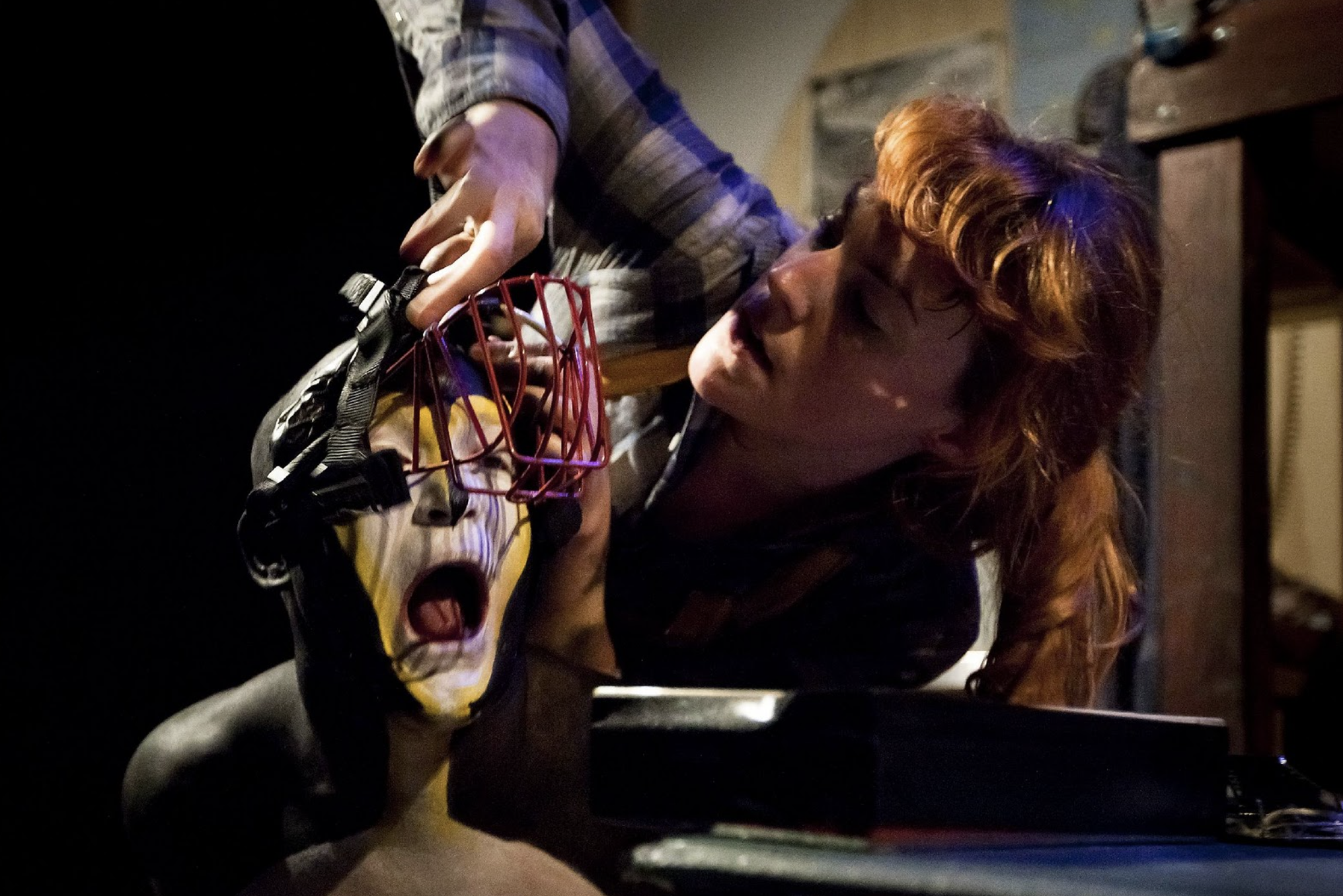
Generative AI Appears Commonplace in Theatres Both North and South
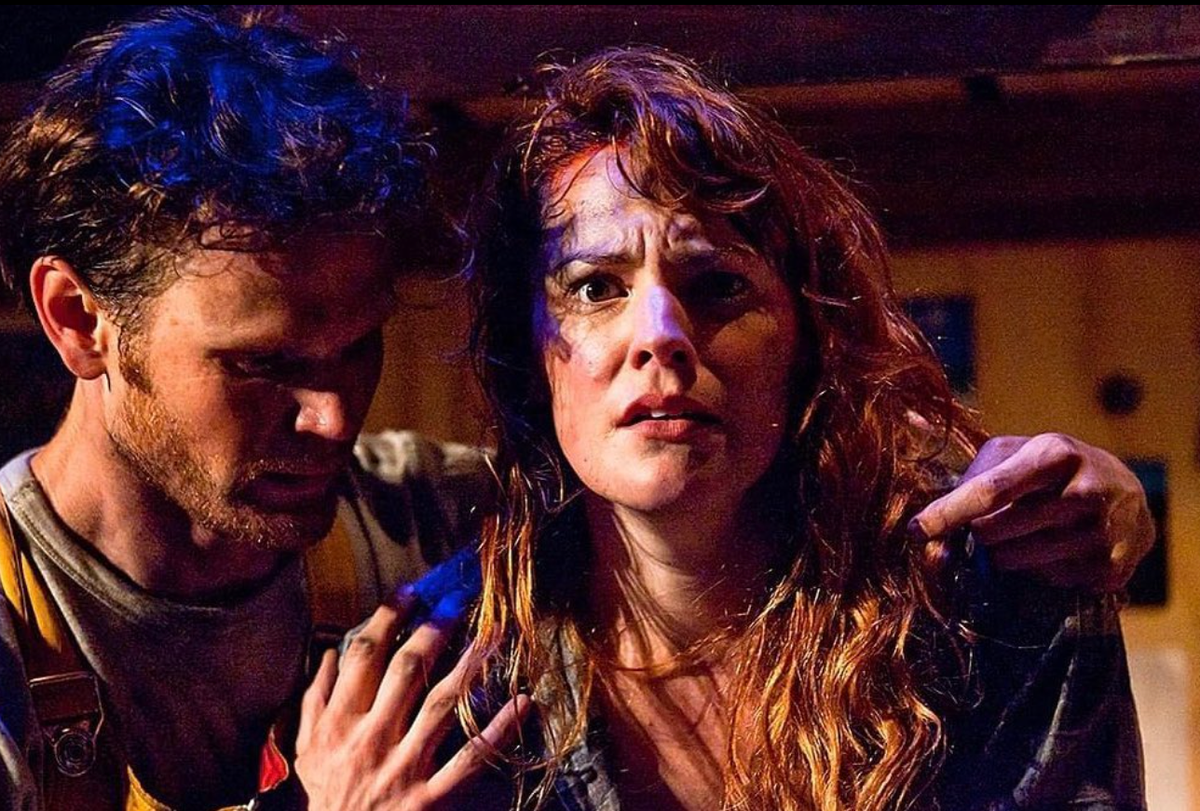
This week, I discovered that my earlier article regarding the documented usage of generative AI at Auckland Theatre Company is, in fact, also partly relevant to The Court Theatre in Christchurch; our two most highly CNZ-funded theatres.
A couple of weeks ago, I published this piece on the use of generative AI at Auckland Theatre Company.
A couple of nights ago, The Court Theatre in Christchurch announced their 2027 programme. Having now had a good look and read, in that programme there seems to be a distinct and undeniable usage of generative AI. It's pretty clear in the language construction of many of the programme blurbs; that first contact an audience has with a play.
I want to be clear that I actually wasn't looking for this. I was just having an interested browse of the new programme–the basic action of anyone in theatre at this time of year. But it whacked me on the head so strongly it was impossible to ignore. Just as I gathered that...Doubt in my previous piece, this one grabbed me through some...Heat.

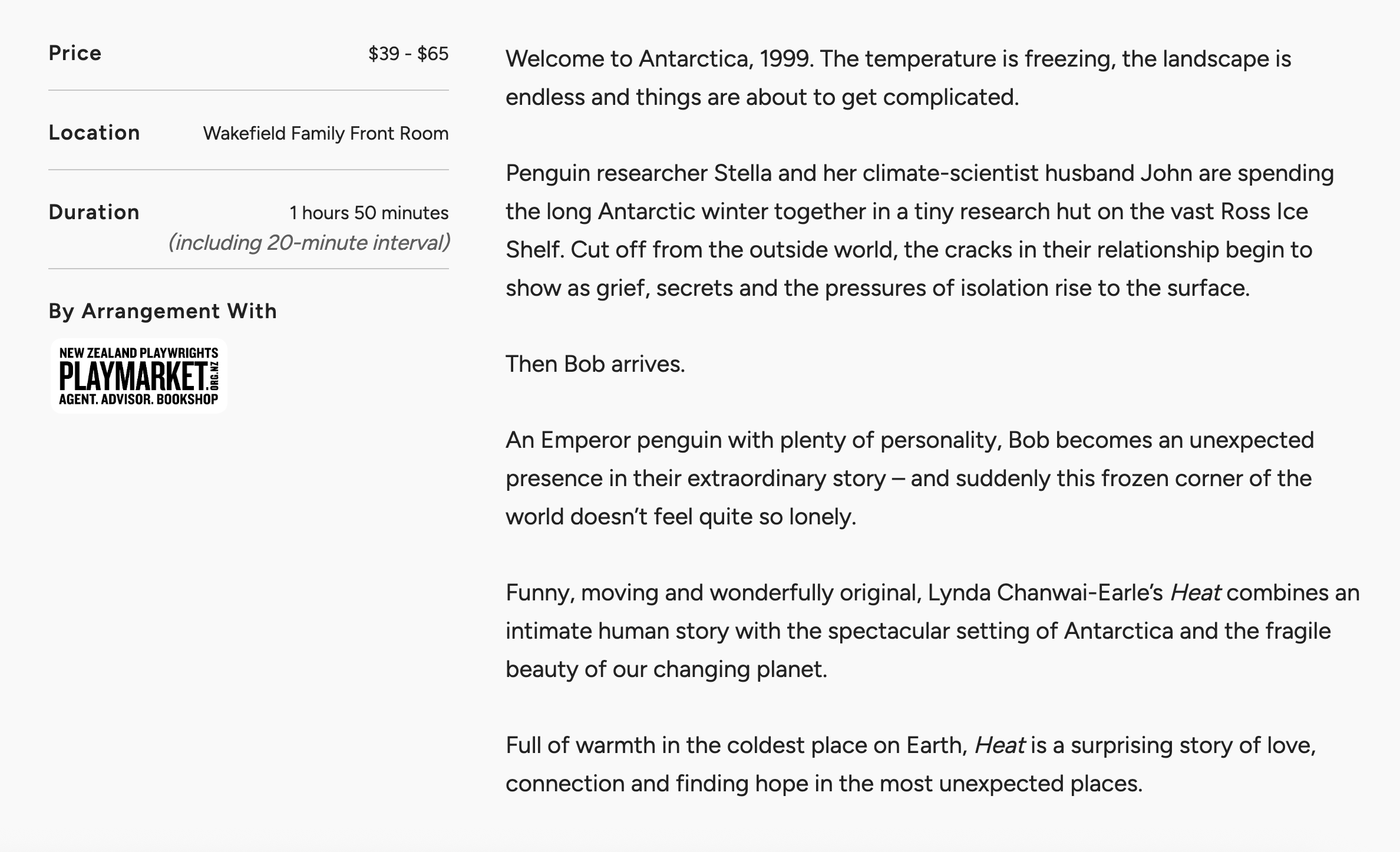
The pages for 'Heat' in The Court Theatre 2027 programme.
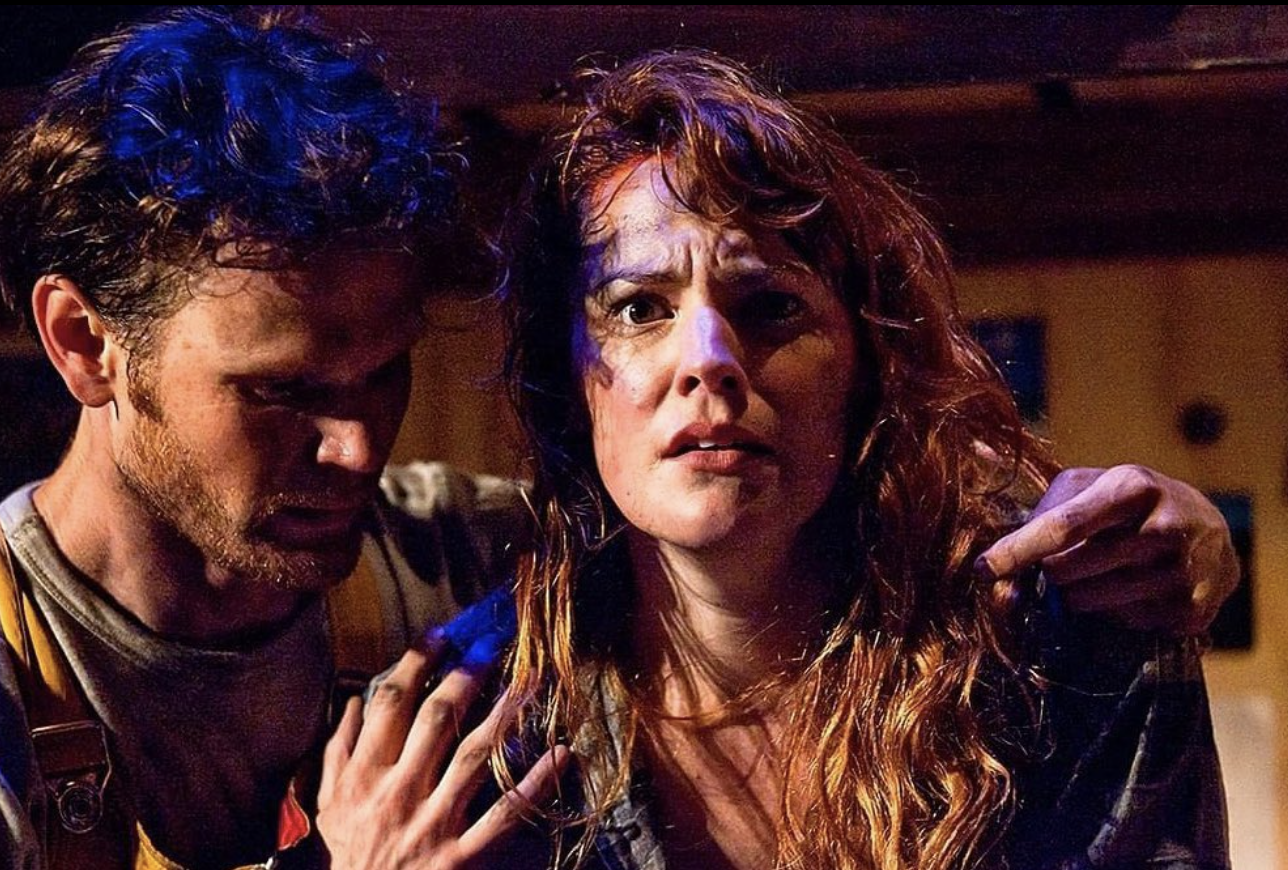
Honestly, it's slightly weird for me. I assure you that I'm not writing these articles to post photos of myself 'acting', yet the generative AI-heavy language that keeps emerging in our theatres is strangely related to plays that I know deeply...from being on stage with them. It's like unfortunately dangling generative AI right in front of the person that loathes it the most, and knows the plays too well that the machine is coding about.
Next year, The Court are staging a production of New Zealander Lynda Chanwai-Earle's Antarctic three-hander, HEAT. It's a fascinating play that you won't want to miss in Ōtautahi. When it premiered at BATS Theatre in Pōneke in 2008 as part of the iconic STAB Festival, it was clear that Chanwai-Earle had created something dramaturgically fascinating.
I can only say this because I was in it. Twice. HEAT premiered in 2008 then toured throughout 2010.

But when you've been in that play HEAT pre-AI, and then in 2026 you read about it in the Court Theatre blurb, you can instantly tell that the person putting the text together to advertise this New Zealand play to an entirely new audience has likely not read the play.
On the 2027 Court Theatre programme page for HEAT, it's not hard to see that the majority of the text has been constructed by generative AI. That's because there are lines and constructions within a random paragraph in this Court Theatre programme, that take the same pattern as a synopsis I requested from ChatGPT to test this. You can see this in the broad structure and word selection in the first sentence below.
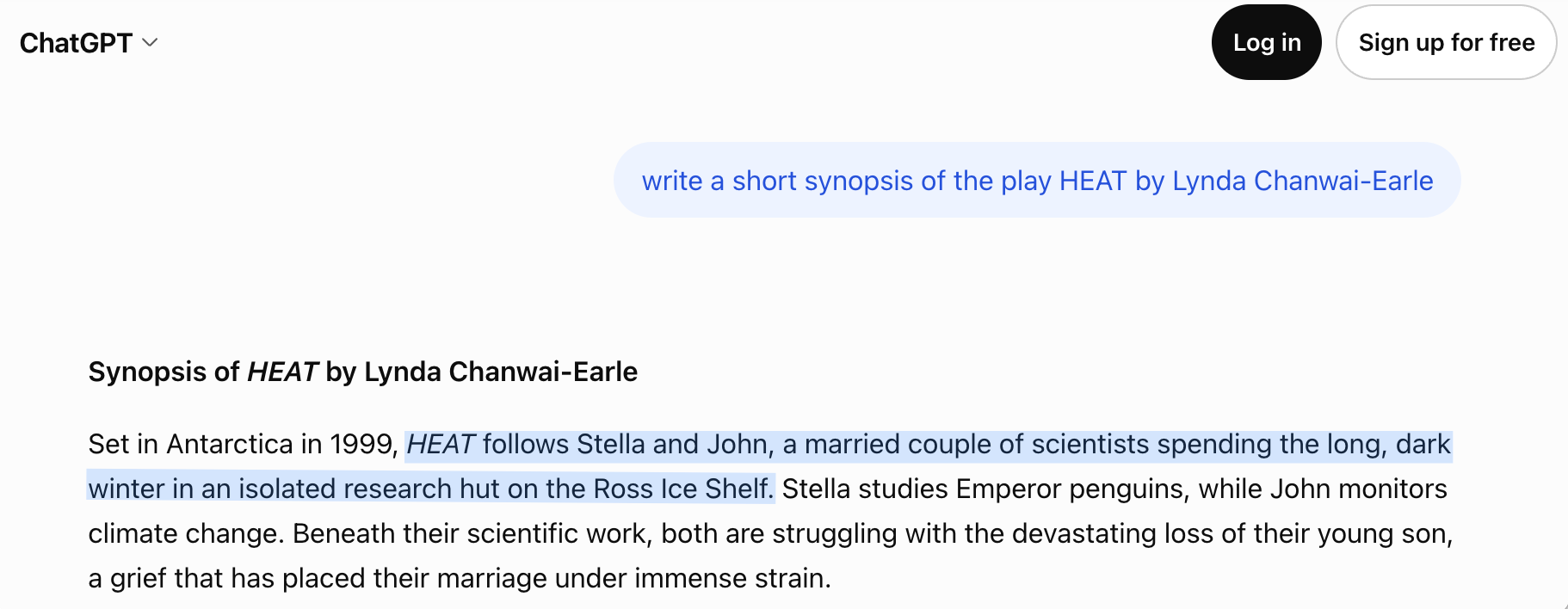
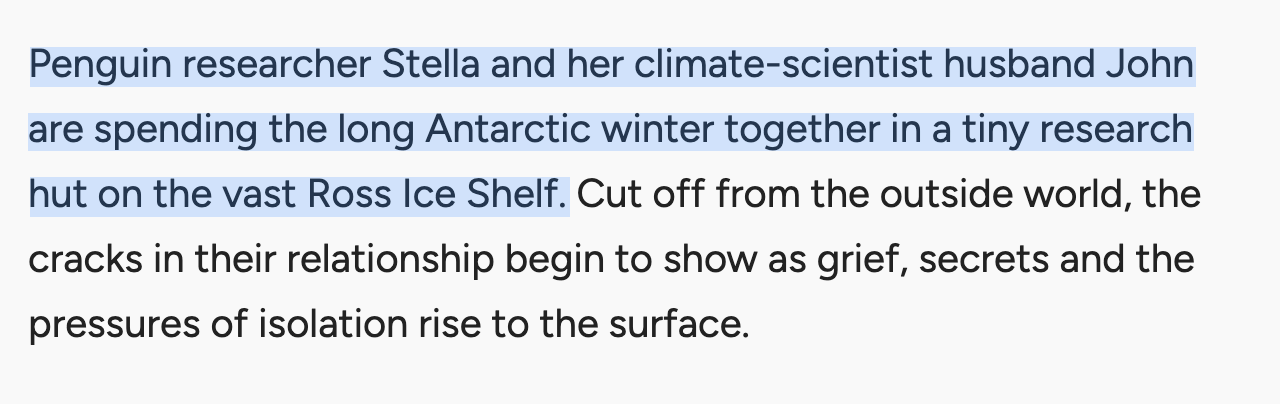
On the left/top: Chat GPT sentence when instructed to write short synopsis of play. On the right/bottom: similar sentence the Court Theatre programme.
This copy in the programme on the right is clearly from some generative AI content. Now, where does generative AI content come from when it's focussed on a very specific synopsis of a New Zealand play? Well if it's not directly drawn from a play that has been ingested by ChatPDF (that practice unpacked in my previous piece), it's parts of copy that's stolen from theatre reviewers' writing regarding our production in 2008 and/or 2010.
Essentially, that's from Theatreview. If you enter 'HEAT play' into Google, the AI answer will note it's drawn from there. If critic John Smythe's long-standing site Theatreview didn't exist, the generative AI answer to a marketing manager's prompt regarding a New Zealand play in ChatGPT would be much more loose.
On Pangram–one of the most trusted AI detection sites–this marketing blurb for the play also reads high in AI use. In addition, it appears clear that the user has requested that ChatGPT write with something like warmth. The tone utilised in the programme when describing HEAT leans towards words like 'warmth', 'funny', and 'wonderfully original'.
HEAT is certainly original. But it is dark and it is real, and deeply humanistic. It doesn't need to protect the reader and viewer with sickly sweet fakery like this. It is a play of great breadth. But one that takes us to some black places. We don't go to theatre to ignore those.
Why are we doing this? Less than five years ago, we happily wrote our selling blurbs without ChatGPT. What makes us think it's fine to use now? What makes us think it's fine to not read the plays we want our audiences to watch?
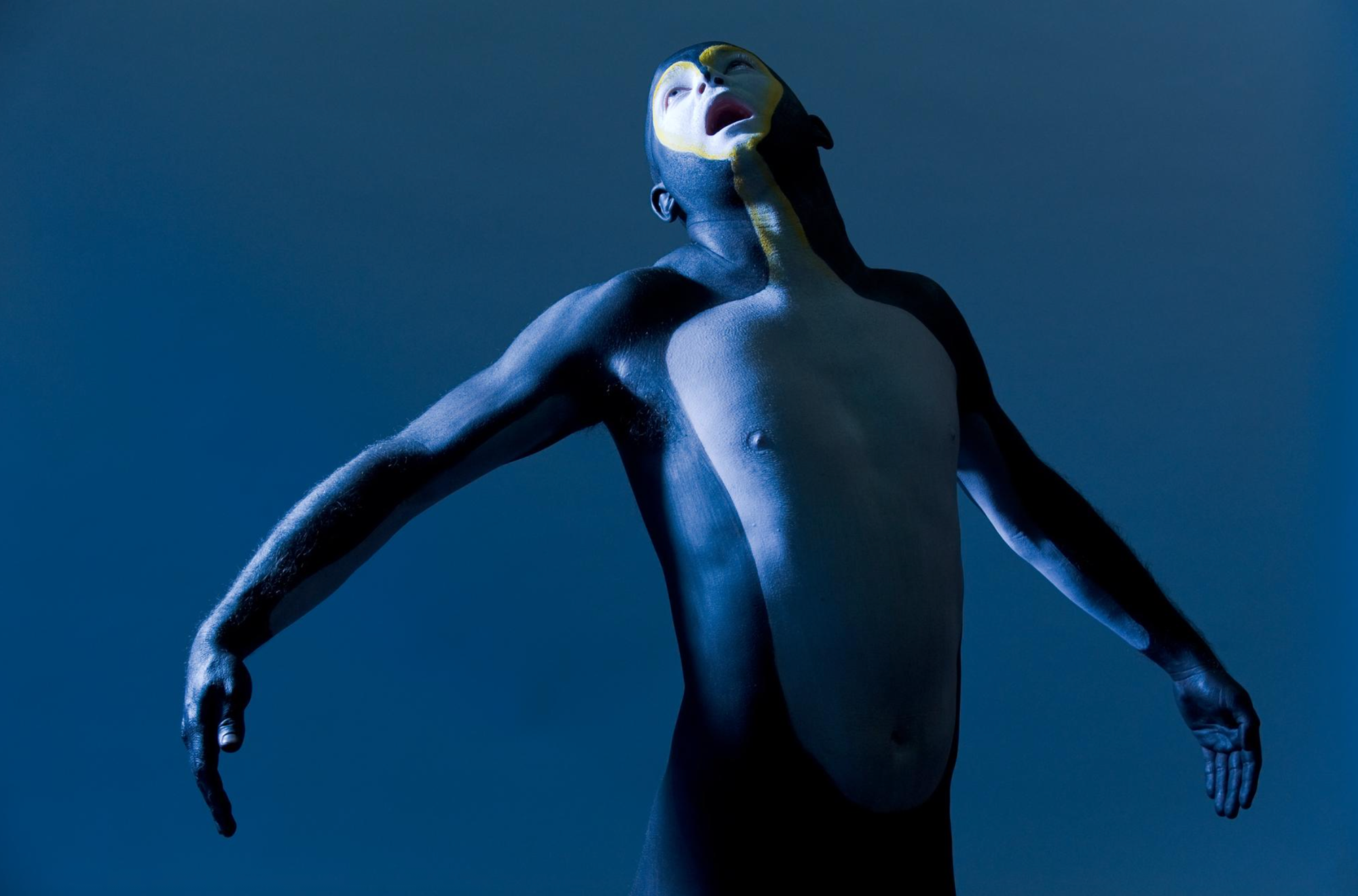
Look, I don't want to hone in on a play I really love. But I care about it. I just want to remind us all that with these pieces of writing called 'plays', it would help you to read it before you write a blurb. They are real plays that have histories of real people on real stages. Back when real critics existed to write about them.
I want to be clear that my desire to discuss our significant mainstage theatre's use of generative AI doesn't emerge from spite or ego.
I'm genuinely really concerned we are already losing the ability to be properly introduced to, to carefully view, to think about, to discuss, and to critique theatre work. Marketing text that draws from generative AI does not help us with any of those things.