Theatre as a Human Home: A Doubtful Performance Review of AI
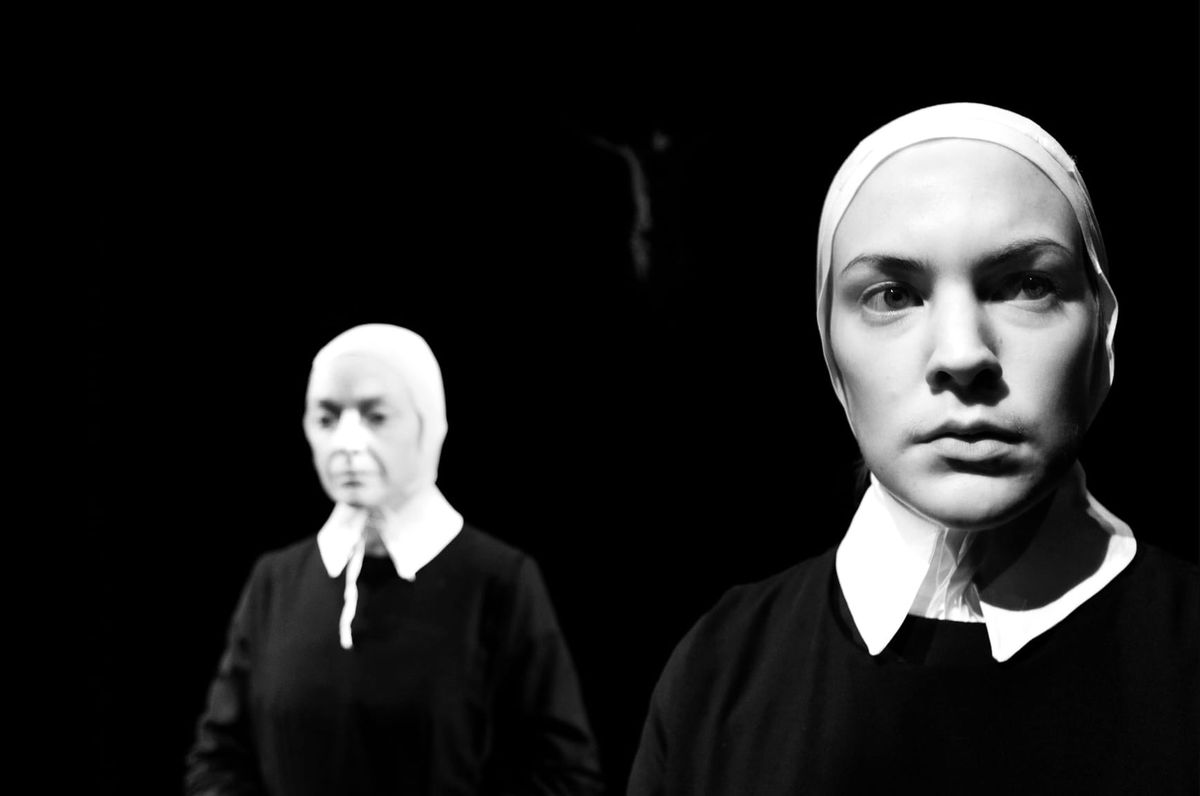
Kate Prior discusses why the human, the theatre, the performance and the audience are diametrically opposed to the ones and zeroes of generative AI that has been in use by the marketing department of Auckland Theatre Company for the past four years.
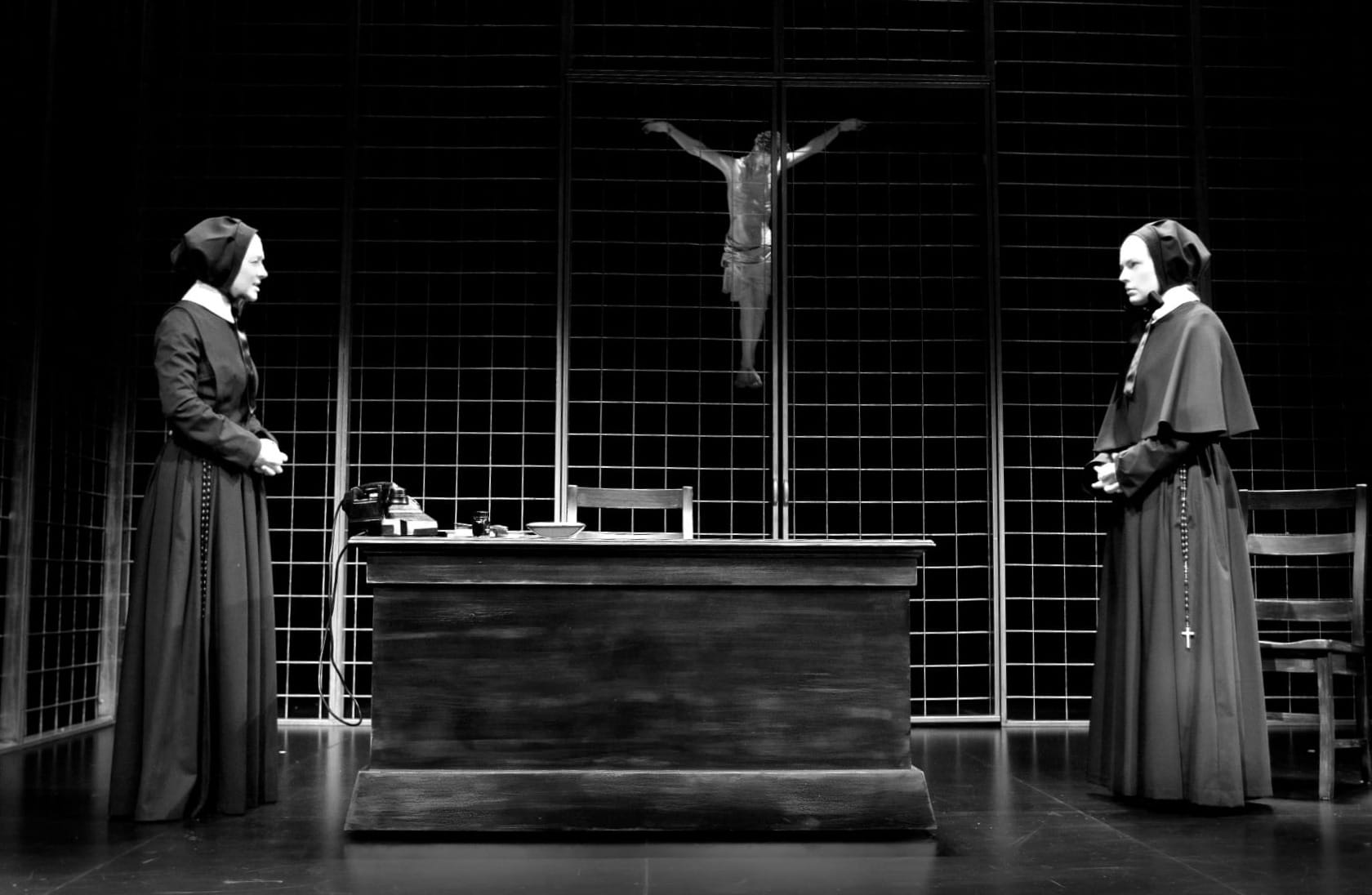
Twenty years ago at age 24, not long after graduating from Toi Whakaari: New Zealand Drama School, I was cast in a play at Auckland Theatre Company.
In Doubt, alongside lead actor Elizabeth Hawthorne, I played the young nun, Sister James. The play is an allegory focussed on what playwright John Patrick Shanley noted had occurred in America; the ‘evaporation of doubt as a hallmark of wisdom’.
I stood in Doubt when I met ATC. I hereby continue this work.
Something else I feel it’s important to note: I’ve worked in a range of professional (and often dialectic) contexts; from stage performance to screen production and from criticism to copywriting.
For Creative New Zealand’s advocacy team and their ongoing campaign, I created the brand line ‘Creativity Makes Us’. Those might have been three words that emerged from me after extensive client/agency workshops with CNZ, but what it says is something I deeply believe. The human instinct isn’t locked into production (for capitalism); it is only found through exploration (for creativity).
Yet like so many writers, for the past three or four years, I’ve simply been watching how large language models (LLMs)–the popular type of artificial intelligence like ChatGPT and Claude–fail us. That’s because they unhook us from that deeply human exploratory instinct: finding words for our thoughts.
I’d initially been thankful that our theatres–those places that have grown from ancient homes of human language and human connection–would be safe spaces from this generative AI dross. Unfortunately, in Tāmaki Makaurau, they’re not.
In extremely weird and depressing ways, over the last four years I’ve simply watched as the marketing department at Auckland Theatre Company–Creative NZ’s highest-funded theatre–openly uptook and have continued with some grim, unnecessary usage of generative AI.
Not only that: within that time, the company has taken on an active, international promotional role for generative AI and the company's AI-driven work.
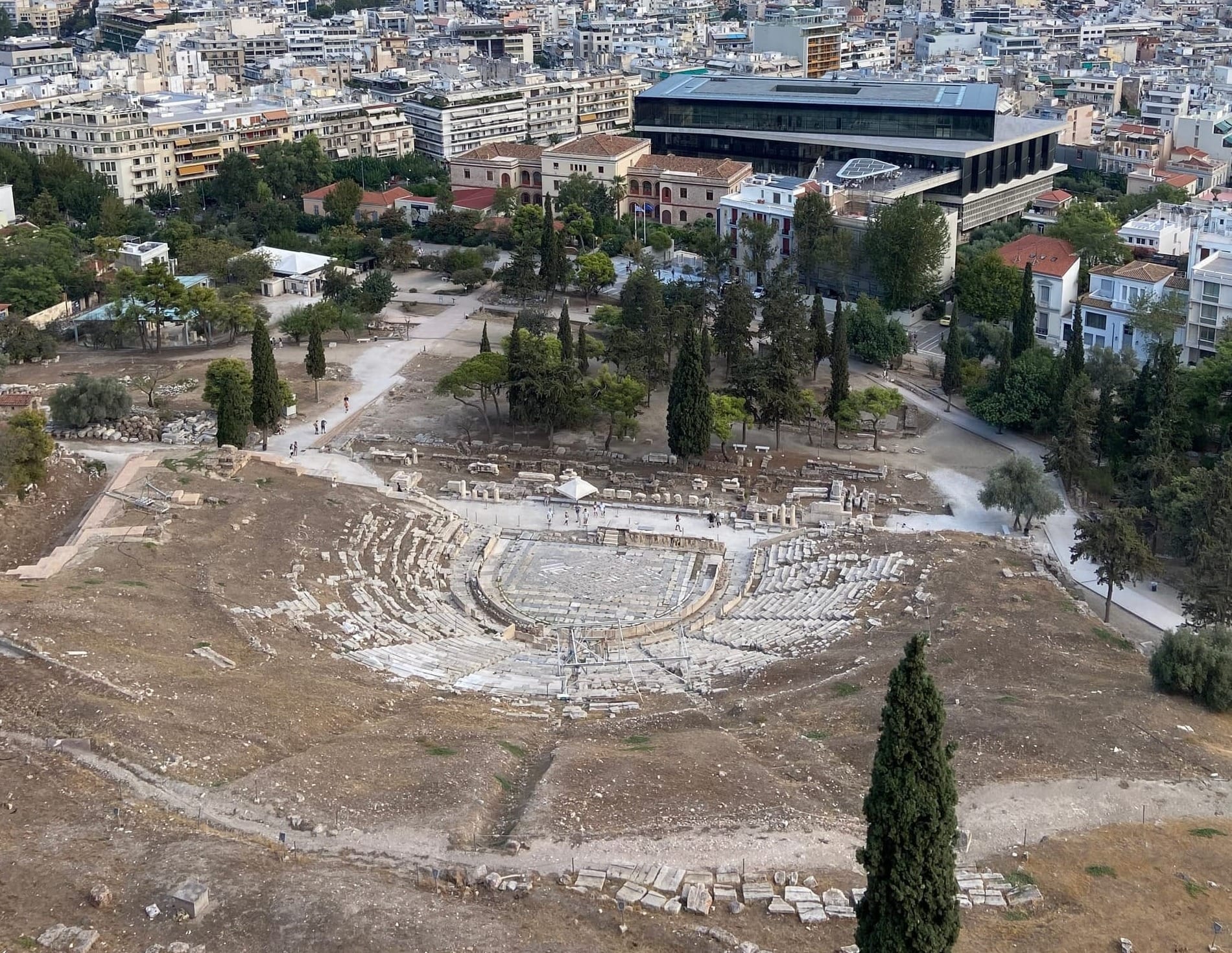
At the heart of the theatre is the human playwright and the human actor connecting and thinking with the human audience. (‘Homo sapien’ literally means ‘thinking man’). In Greece in 400BC, before organised ‘religion’, we’d sit around a stage and work some stuff out with Euripides and Aristophanes. Across so many cultures, theatre is an ancient collective home of our human language and perception.
If you simply understand this, you understand that the robot of synthetic language produced by an LLM has no place in any part of a theatre company. Especially within much-needed marketing teams–those who introduce human stories to their audiences, often for the first time.
Yet the usage of generative AI from Auckland Theatre Company’s marketing team towards their audience seems to remain normalised.
So I’m back on stage. In doubt. About how these actions allow you to still be named 'theatre company'.
Here’s some real language
Briefly, just to ensure we all have human intelligence about the artificial version: large language models like ChatGPT and Claude, and text-to-image models like Midjourney utilise digital code to replicate words, sentences and images openly stolen from human writing and visual art. (In court less than a month ago, OpenAI and Microsoft revealed their own admission that their stealing of written art undertaken for their generative AI products is “an astonishing theft of unprecedented proportions”).
ChatGPT turns language into ‘tokens’ whereby it predicts what’s next and returns a costume of synthetic language, as if it understands human language and human creativity. The machine doesn’t ‘understand’. Generative AI is simply a cheap mimic. Using ones and zeros.
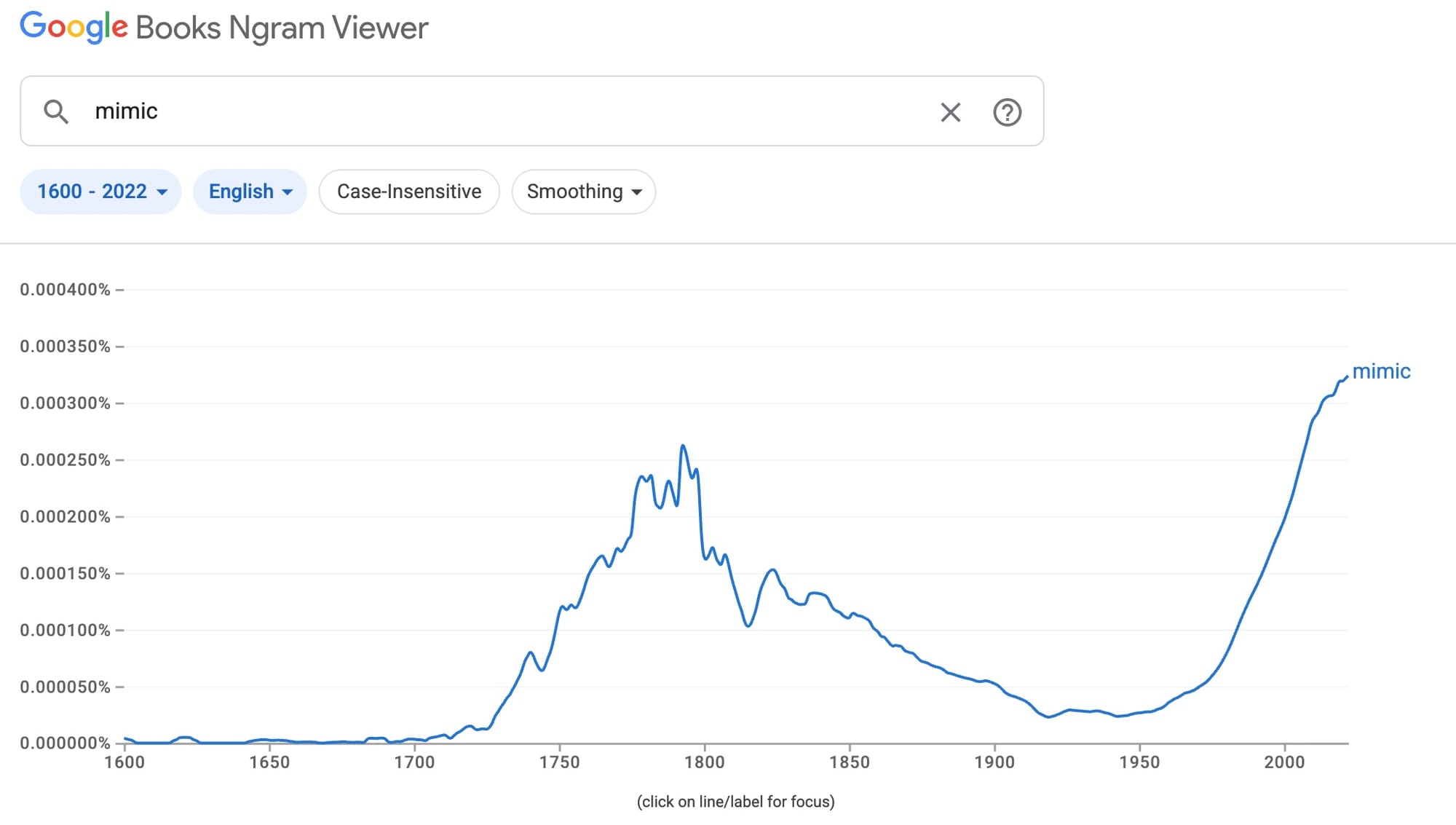
‘Mimic’ is a word that has significantly increased in use since the 1950s, when Alan Turing began to seriously investigate what was soon named ‘artificial intelligence’.
Any actor knows mimicry. Any actor knows it doesn’t require psychological work. Any actor knows it doesn’t require acting fuelled by internal imaginative drive. Mimicry is simply empty copying.
Generative AI is simply a parrot repeating the words ‘human connection human connection’. Yet a parrot doesn’t ‘understand’ what that is. I’ll return to parrots later. But for now, let’s go to the theatre.

Humans and roles at ATC
ATC is led by Artistic Director & CEO, Jonathan Bielski. There are more dedicated marketing roles at ATC than artistic roles. (Earlier in his tenure, Bielski publicly noted he would be recruiting a diverse group of ‘Artistic Associates’. There is now one person with this role title–English practitioner Benjamin Kilby-Henson–who directs and also looks after casting in general).
The theatre’s recent Marketing Director Joanna O’Connor began in 2021. While O’Connor formally departed in August this year and new marketing leadership appears to be in place, it’s clear that the generative AI practices O’Connor brought to ATC have not automatically exited stage left. As ATC notes on LinkedIn, it has been turned into a 'marketing and sales powerhouse.'
(Interestingly, after the departure of Literary Manager Philippa Campbell, ATC has not continued with a role dedicated to developing and supporting new playwriting from this whenua. In equivalent spaces such as Melbourne and Sydney Theatre Companies, this is a common role).
Generative AI at ATC
ChatGPT and generative AI exploded into our lives (if we chose) in late 2022. In 2024, O’Connor gave at least three industry talks on the journey of introducing extensive use of generative AI like ChatGPT and Midjourney within ATC’s marketing department.
O'Connor's talk at the Capacity Bootcamp marketing conference in New York in 2024 had an online ticket price of $300 at the time, but is now available to view for free. Domestically, earlier that year she gave a similar version of the talk at The AI Show in Auckland, and joined a conversation with NZ Business Magazine.
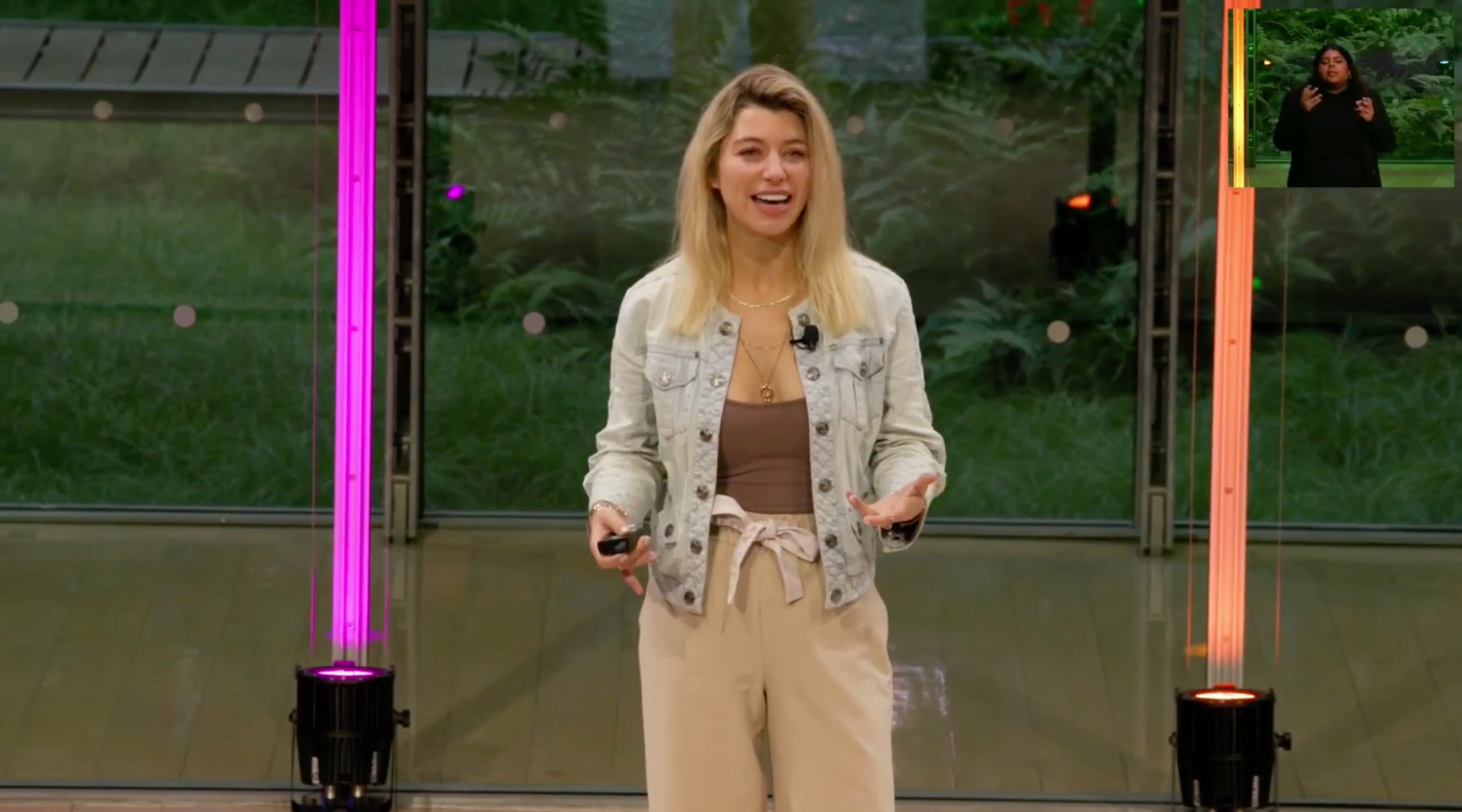
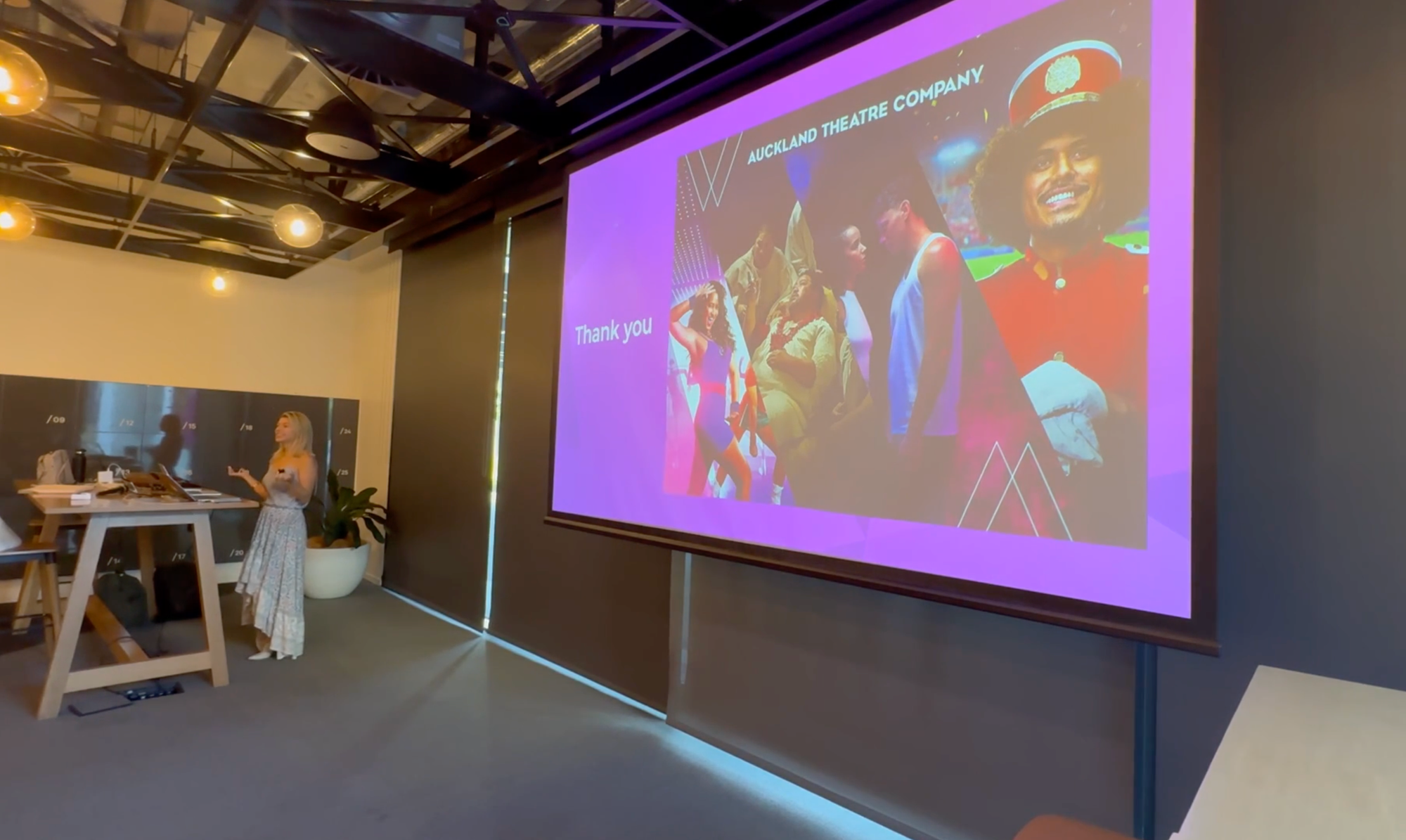
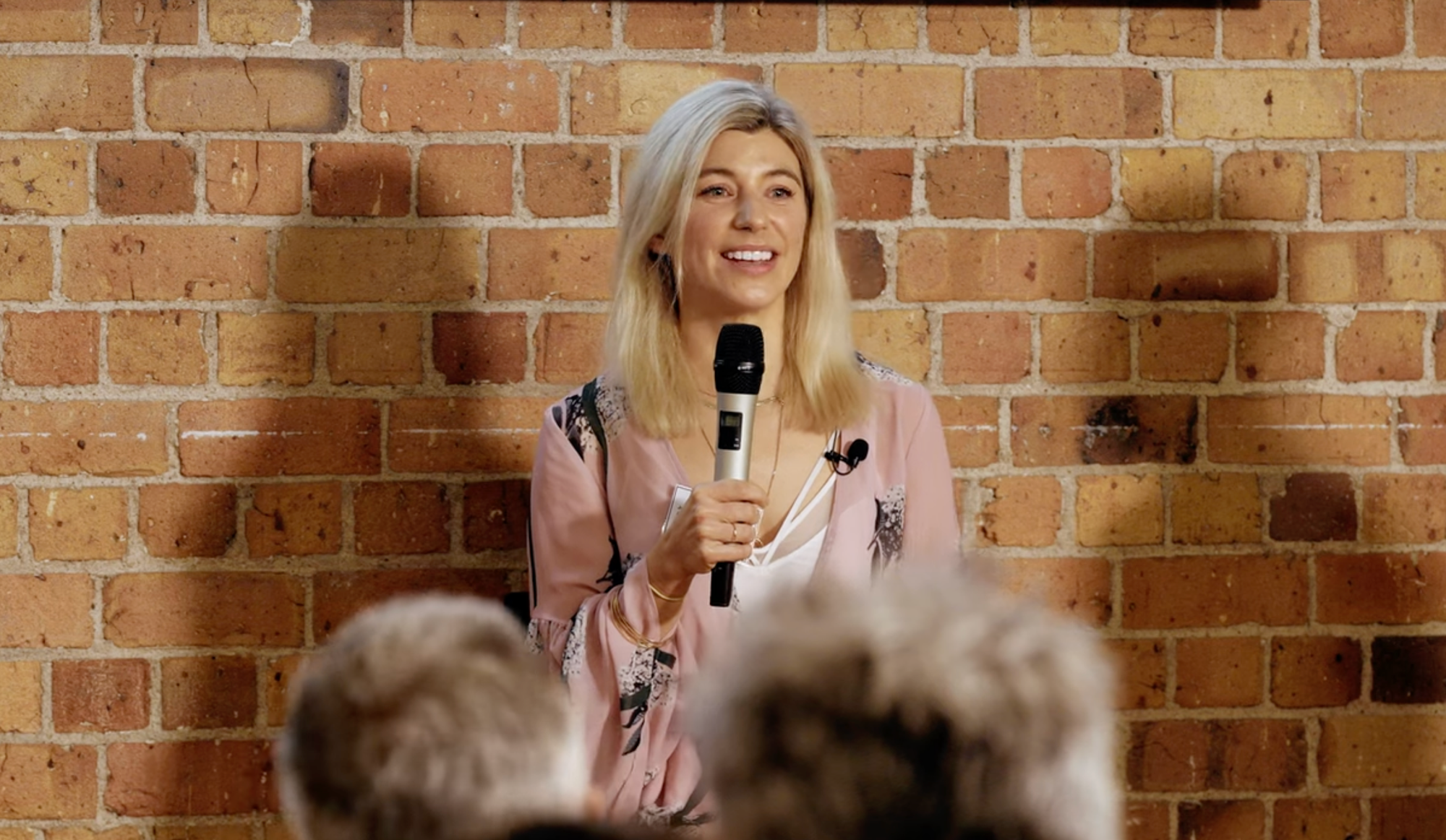
Now available to watch: three different international and domestic talks given in 2024 by ATC Head of Marketing of the time, regarding ATC's AI usage.
At the Capacity BootCamp marketing conference in New York in 2024, O’Connor clearly notes, “We have leveraged the power of AI and it has absolutely helped our organisation”.
In late 2024, Grace, an ‘AI agent’ for basic audience questions was launched on the ATC website. This instantly received overwhelming online backlash from the creative community which thankfully ensured it lasted online for less than 48 hours and was never seen again.
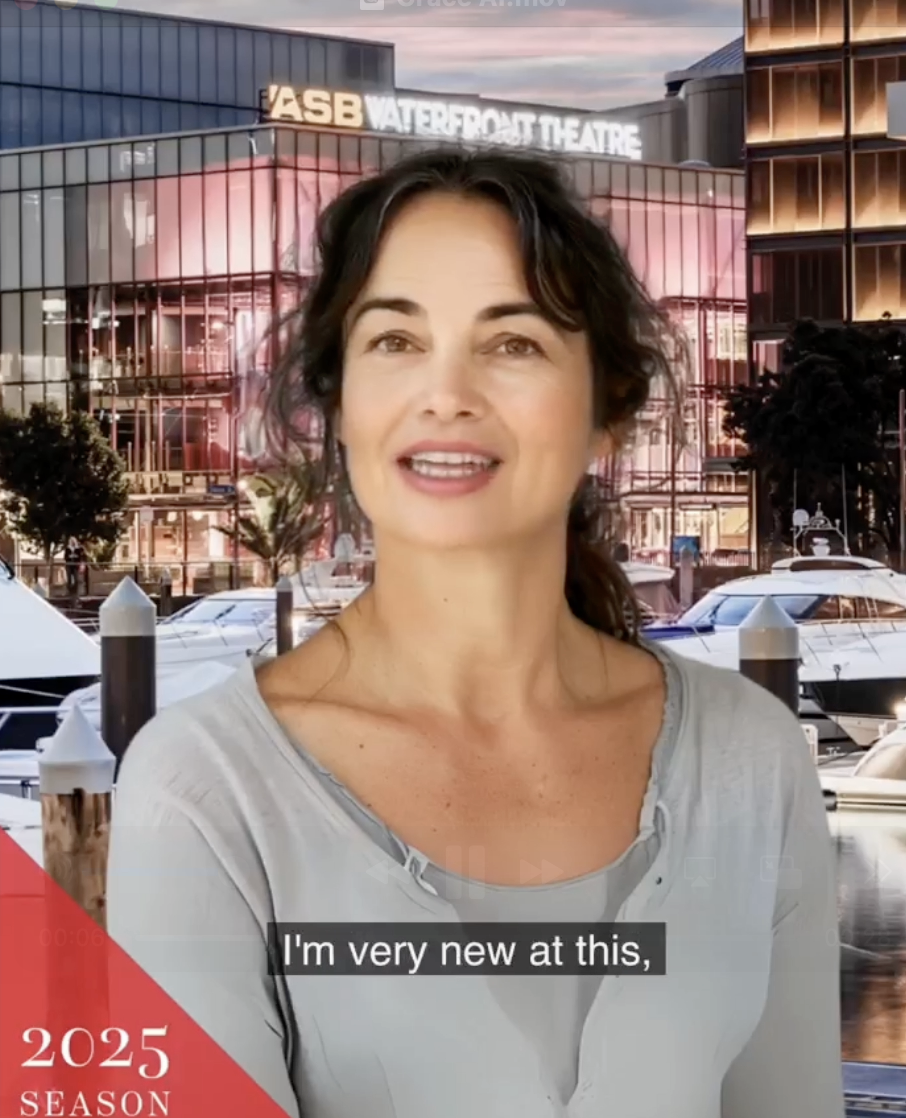
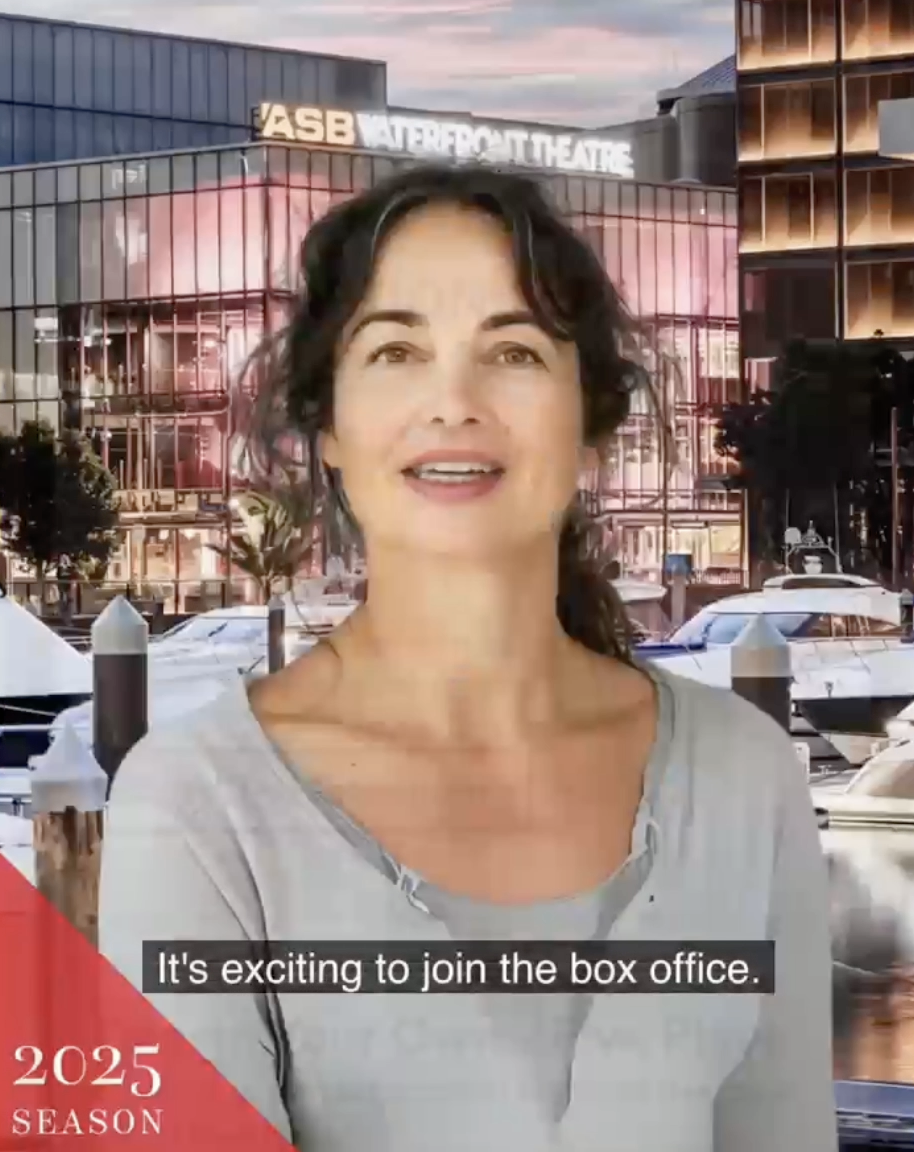
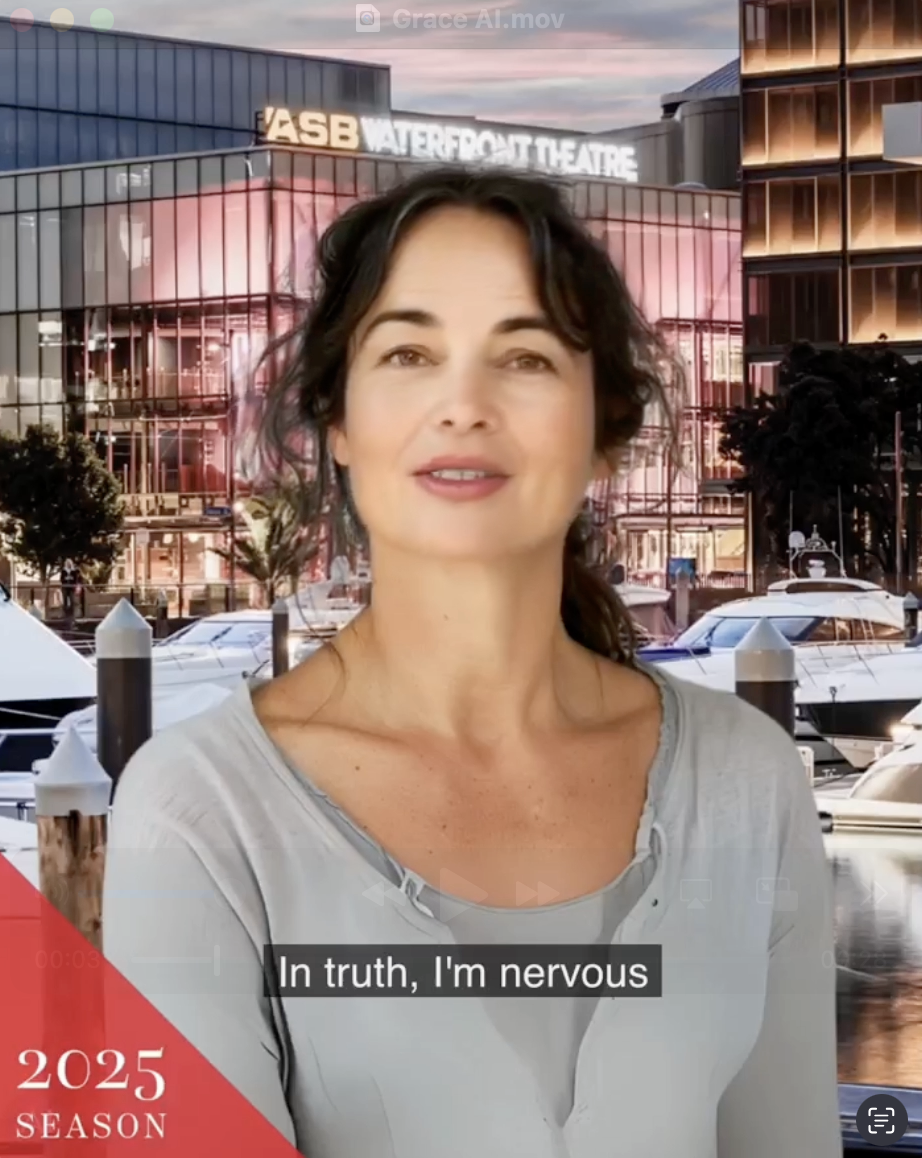
'AI agent' Grace, who was on the ATC website very briefly in late 2024
However, that did not seem to become a cue in the ATC marketing team for some consideration of the position of generative AI in a theatre, and for the usage to stop.
Here are three central generative AI-driven practices that ATC has happily discussed at marketing conferences. These feel important to acknowledge and critique.
In ATC Marketing, AI Has Read the Play
When I first listened to O’Connor’s speech at New York’s Capacity Bootcamp, I heard something that stopped me in my tracks.
The human who was selling ATC plays to Auckland audiences didn’t read the scripts of those plays. “I used Chat PDF to outsource script reading” O’Connor says.
I kept rewatching this section to understand how this could be possible.
In 2024, O’Connor gave several talks like this where she purposefully spoke about not reading any of the scripts of the plays she would be marketing, because ChatPDF would summarise them.
“So here I was, I’d been given eight plays, eight scripts and I was told you’ve got three weeks to come together with all the campaign ideas… So, reading the scripts just wasn’t really something that I had time for”.
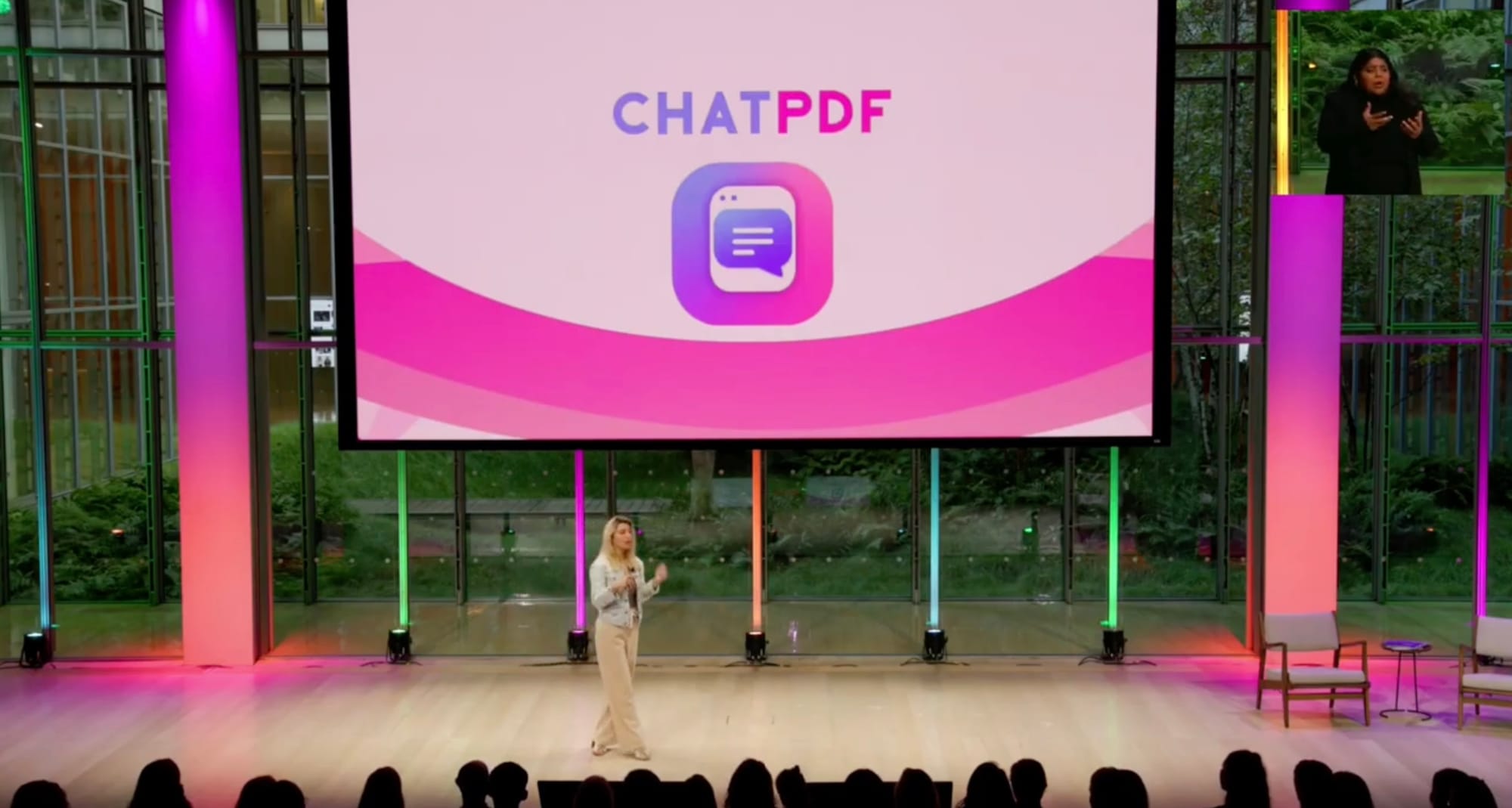
O’Connor was also comfortable that this fact wasn’t something that theatre artists were across. For example, in a presentation back home she noted, “I also didn’t tell the artists that I also put their script into ChatPDF and it gave me a great synopsis and bullet points.”
Okay. So the person at the centre of the theatre is the playwright. If there are no creators, there is no theatre. If the worlds they create are to be introduced to audience members on email and social media, those worlds need to have been read by a human. Felt in their body.
How else do we make this wildness clear? A sports analogy for a theatre marketer who hasn't read the play? Ok. "This is like putting you in a commentary box at a rugby ground, knowing nothing about the game." Does that work for you?
If you’re the person helping to bring people in the doors of a theatre, your feelings as a human, from reading some theatre, are the best place to start. (And come on, we’re not talking a novel–a play takes an hour or two to read).
I will not get started on how questionable uploading plays to generative AI apps can be for copyright and what it means when a writer’s script is served to a generative AI system. We’re already getting dark enough.
In ATC Marketing, AI Has Written About the Play
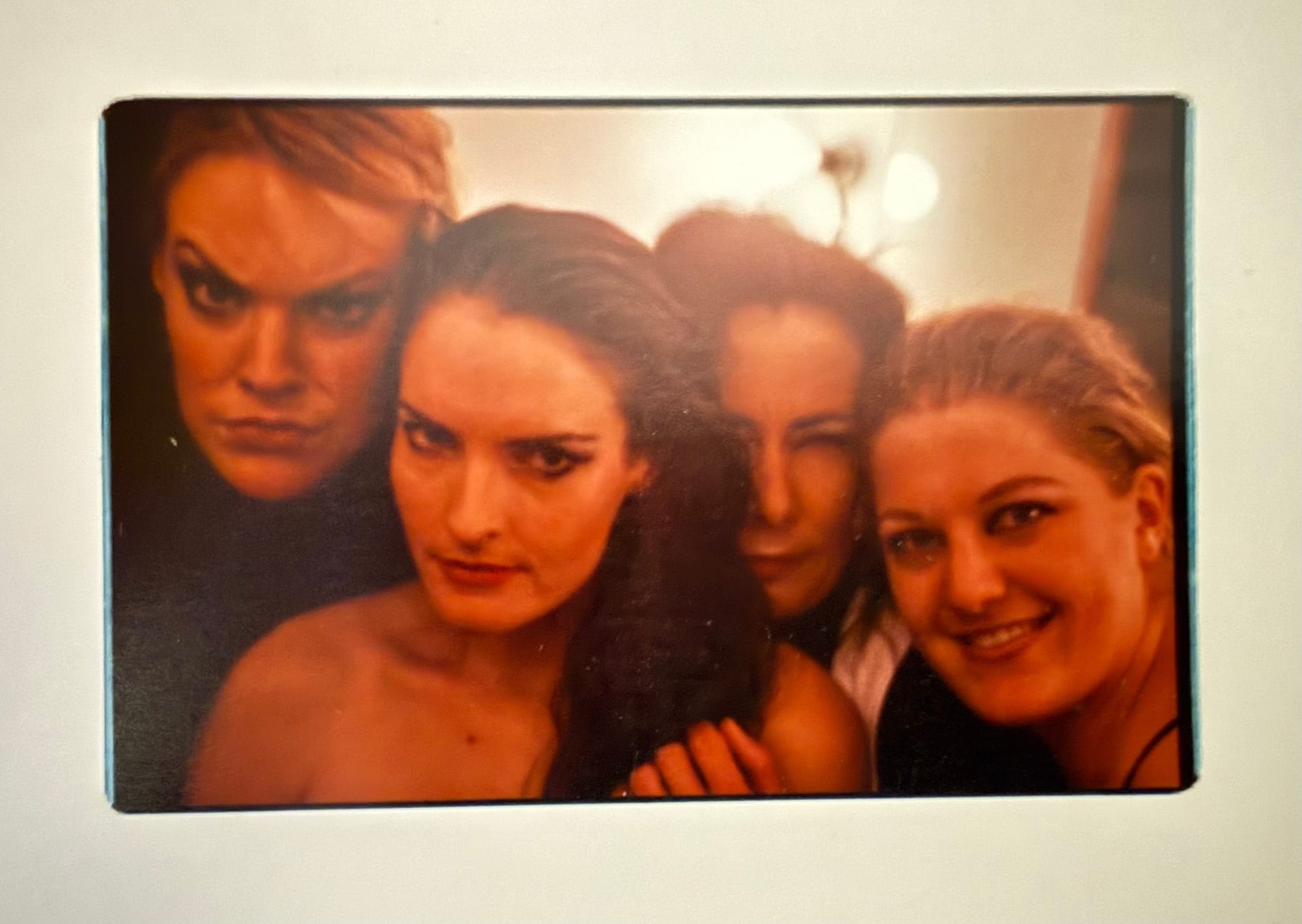
In Auckland in 2004, I played a witch in Michael Hurst’s production of Macbeth. So my familiarity with this play is not only cerebral but physical.
Whenever I encountered Instagram copy marketing ATC’s recent production of Macbeth, it felt pretty clear to me that a significant amount of the words derived from generative AI like ChatGPT. As a copywriter, or maybe just as a human, the rhythm of AI copy is pretty easy to identify.
Or perhaps it was just because those posts simply did not even accurately describe the narrative of the play. Just to offer one example: “Despair rages within Macbeth and Lady Macbeth. Until they set their sights on the throne”.
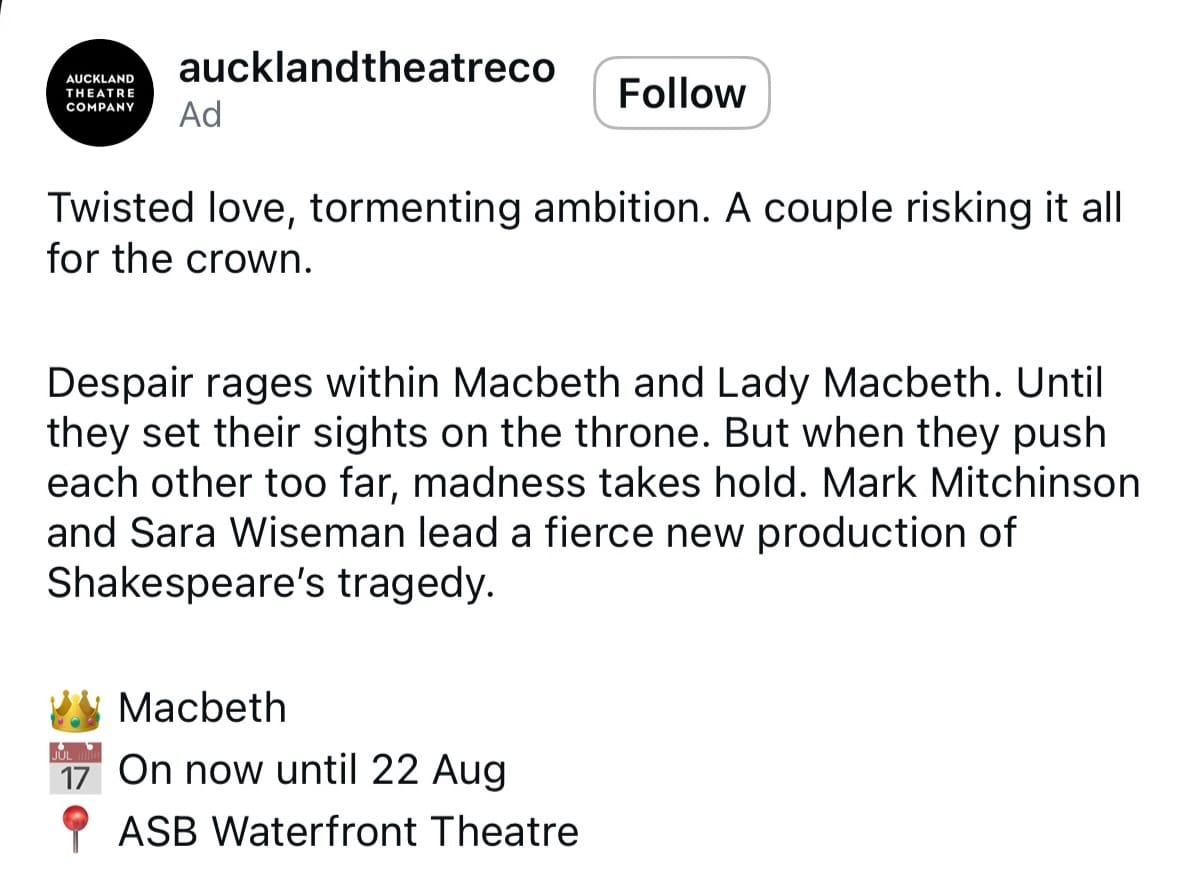
This simply isn’t what happens in the play.
Macbeth is very clearly not despairing when he sets sights on the throne. The first part of the play follows Macbeth’s rise to power. The witches hold his interest. He’s curious. He’s clearly not in despair. He’s pulled. So is his wife. In that first act of Macbeth, raging ‘despair’ has nothing to do with it.
So, your generative AI isn’t going to translate your Shakespeare. Plays must be described by a human, otherwise, as it turns out, these plot descriptions can be inaccurate. It’s incredible that the theatre itself doesn’t seem to care about that one.
In ATC Marketing, AI Has Designed the Image for the Play
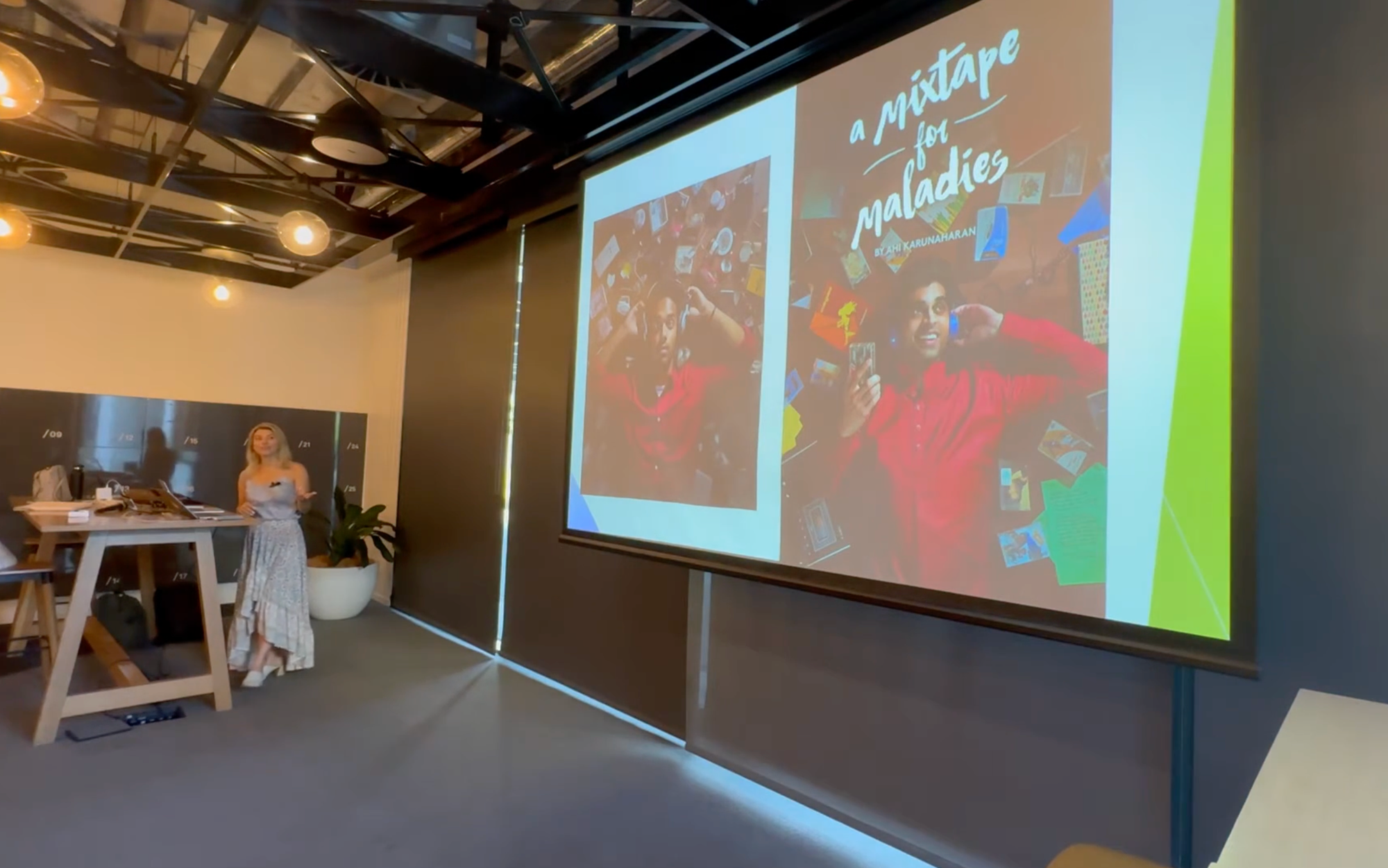
In 2024 talks, O’Connor also outlined the process of creating the images for the 2024 and 2025 ATC programmes. “I turned to Midjourney, I put in a prompt, and I basically taught myself how to use it in an afternoon”.
The generative AI image site Midjourney was heavily used to provide poster images. “So this marketer, who had zero experience…how to come up with creative concepts, I suddenly became my own creative director, and I was able to then take multiple concepts to the artists and present to them the work.”
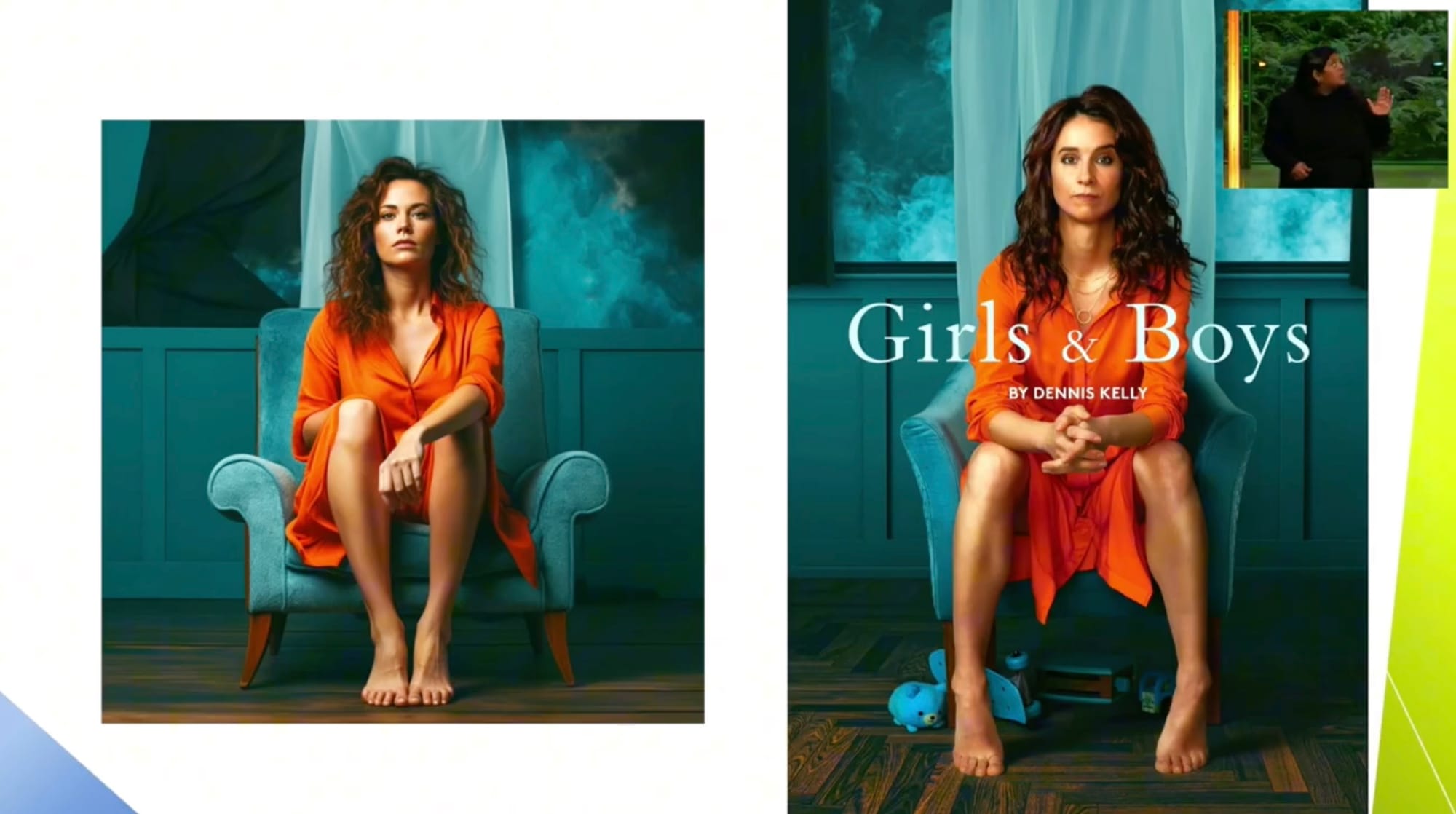
It’s really important to stress that while these may be images wherein a studio photographer clicked the button on an actor, the entirety of the image concept is not created by a human. When engaging in the art of photography, it’s normal to take inspiration from your surroundings or other photographers. This is what you may collect on a cork board or Pinterest as visual inspiration.
However, using one image as an example: almost the entire, fundamental basis and end result for the poster of the play “Girls and Boys” in 2024 was sourced from Midjourney. Actually I’d say, 98% of it. (A real human brought a second hand with four fingers and a thumb).
As O’Connor demonstrates, that process began by prompting the AI with descriptive text. This level of description was presented on screen in industry talks now online.
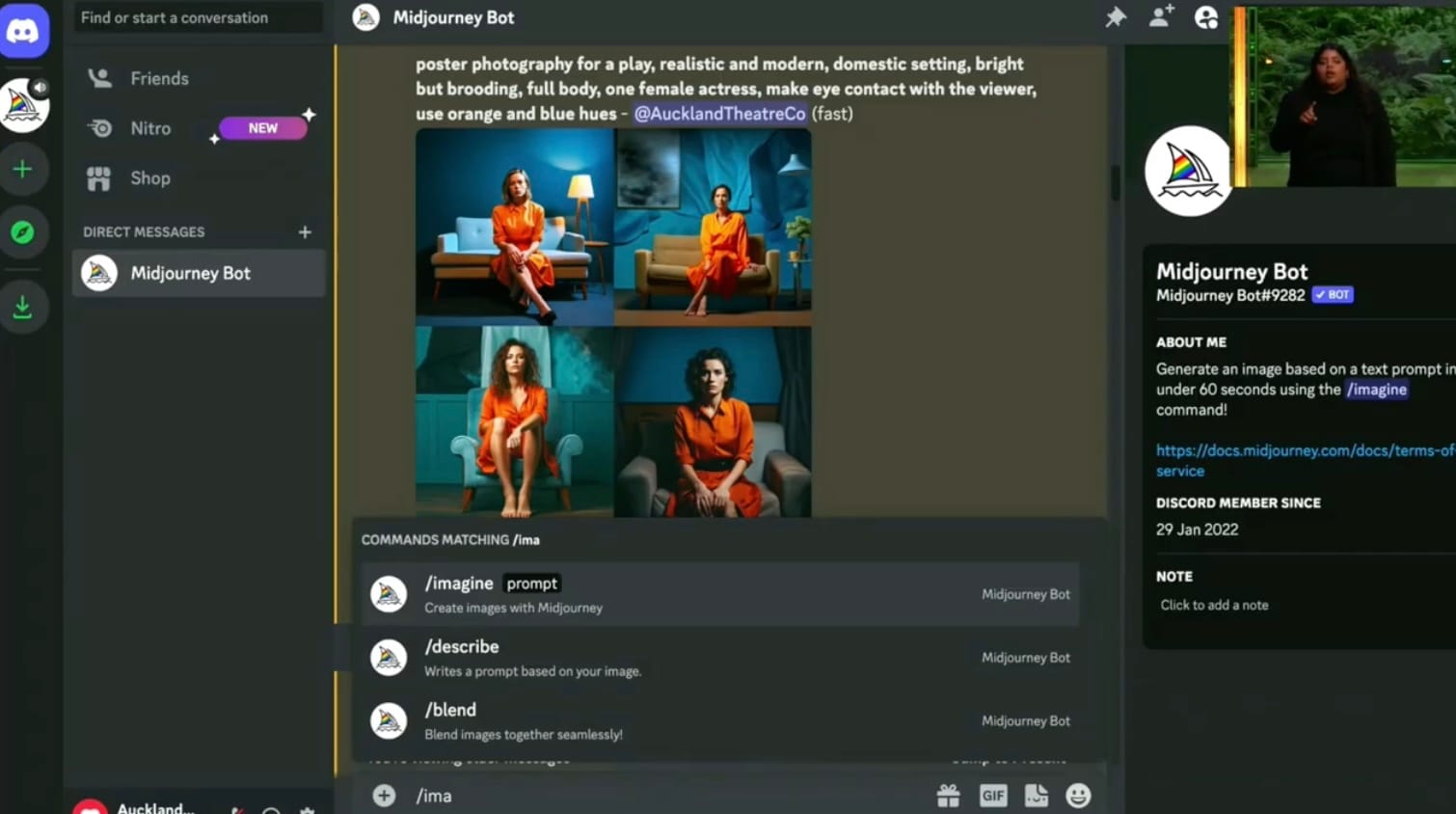
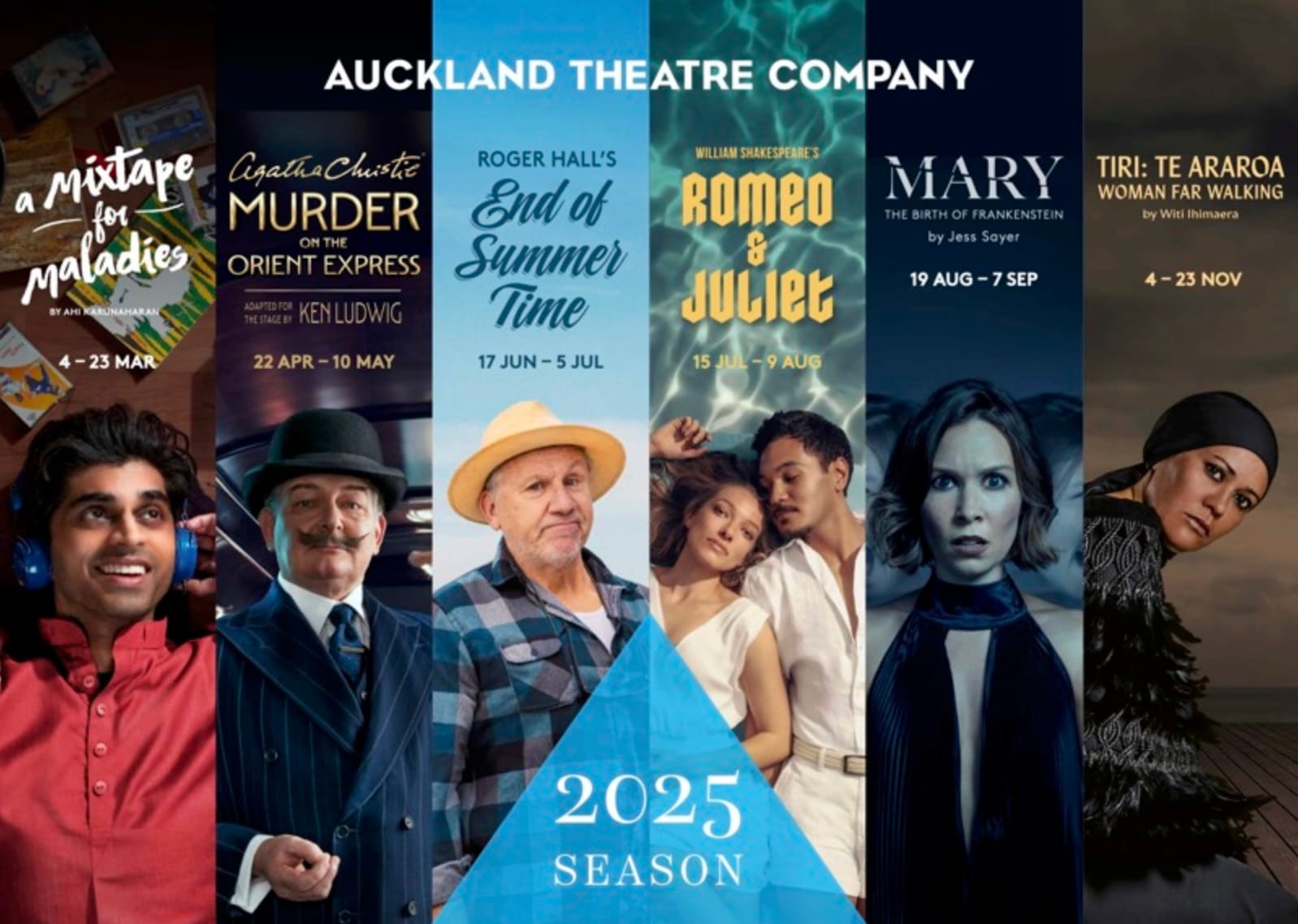
If certain posters didn’t straight up contain an AI-created image in the background (for example, the image for Murder on the Orient Express), for many of the images of 2024 and 2025, the majority derived from the AI image maker, Midjourney.
As shown in O’Connor’s presentation, the same goes for the image for MARY: The Birth of Frankenstein in 2025. The Midjourney AI image–shown here–was then simply reproduced by a New Zealand photographer and photo editor. That is the opposite of a creative process. That is a generative-AI process.
Yet when praising generative AI-based photoshoots like this, O'Connor would highlight an entirely 'smooth' creative process. “We go into the photoshoot" O'Connor says in a post-talk interview, "and...everybody knows what we’re trying to do. It removed all friction from the process.” This is diametrically opposed to the mode creatives are used to. Creativity requires friction. This is a foundation.
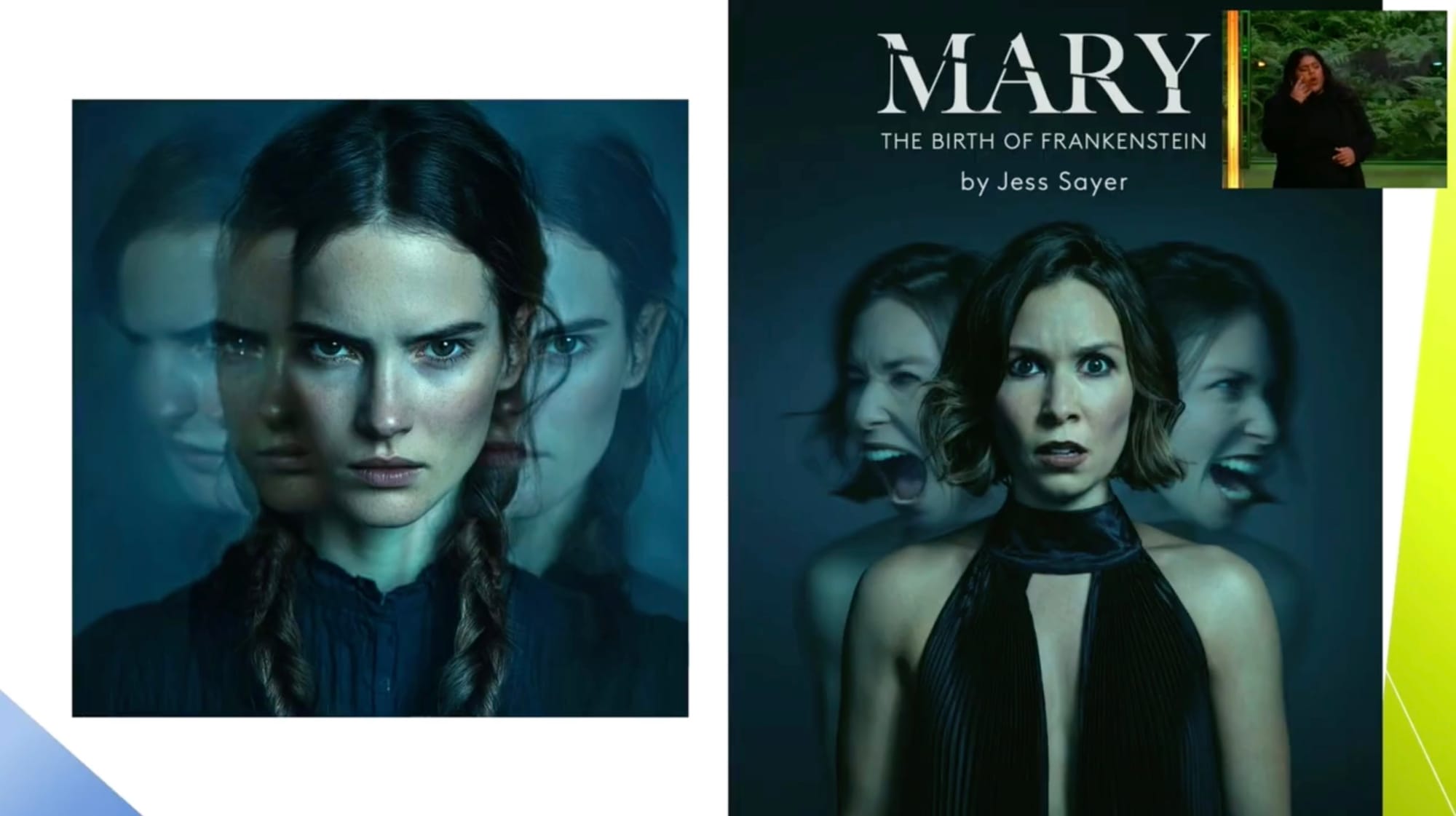
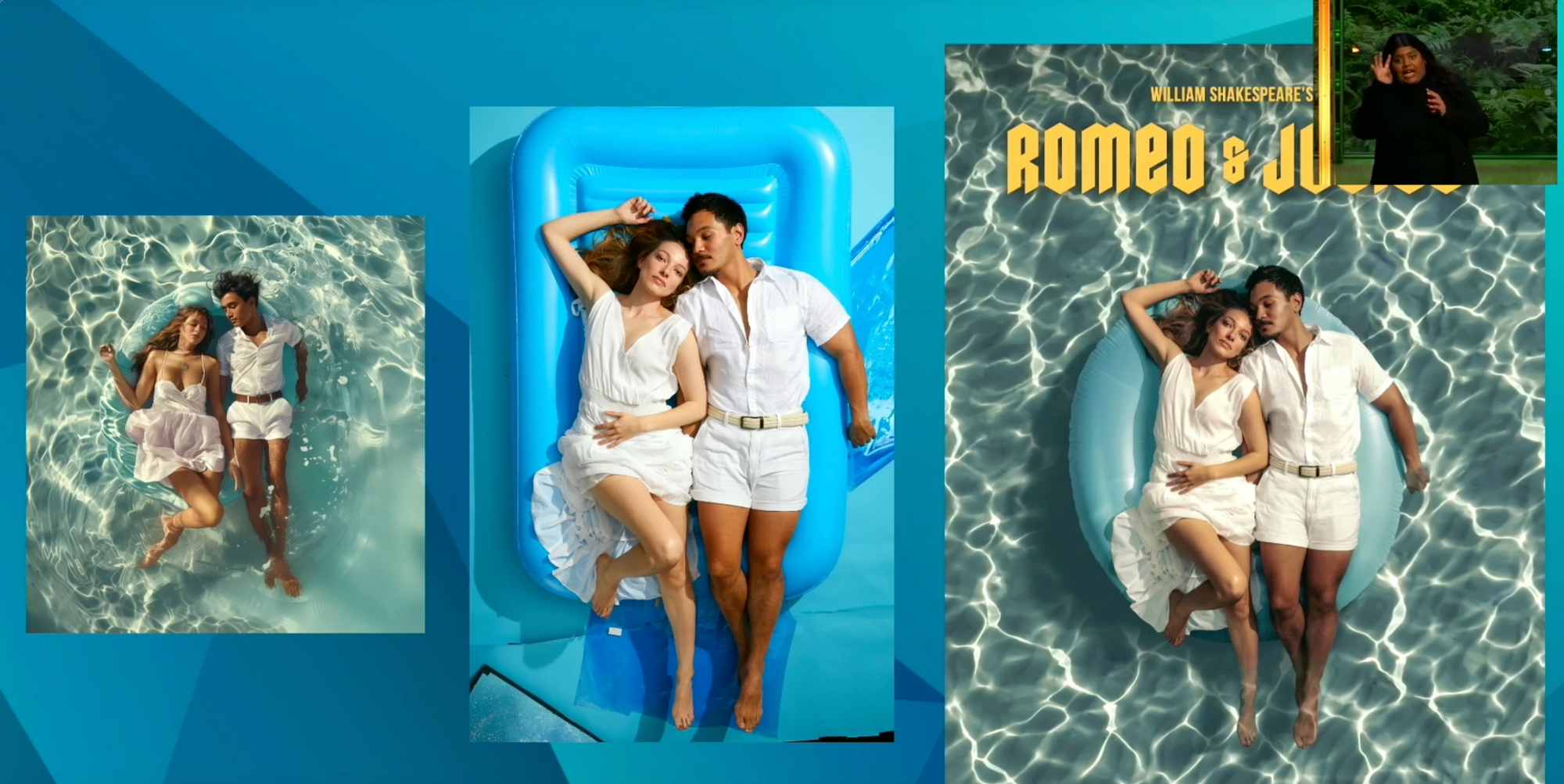

Most importantly, since its beginnings, just like ChatGPT, MidJourney is a product that has gone through significant controversial legal trials for stealing and using artists’ work. Midjourney’s PR line is “AI that can create art from your thoughts”. More accurately, it’s art created…from other artists. From stolen work.
Midjourney is also racist. Simply because it's an AI system dredging from a racist internet. In her talks, O’Connor would raise this as a brief item that users just needed to be aware of.
Yet using products that support racism continues racism. As Karen Hao writes in Empire of AI, “In Brazil, a 2023 art exhibition coproduced by a Chilean university showed the vast chasm between the reality of Latin America’s rich Indigenous cultures and the woefully bereft depictions of them spit out by Midjourney…as primitive, technologically inept people”.
In our part of the globe, you only need to look at the way that entering the words ‘Pasifika’ and ‘Māori’ in the Midjourney prompt box return grossly misrepresented (and once again, stolen) images.
Yet ATC not only rushed to use Midjourney, the company then advertised Midjourney in national and international talks.
What is the meaning of ‘meaning’?
In 2020, four computational scientists and linguists working in AI ethics published a paper that swiftly gained many readers and became central to discussions.
On the Dangers of Stochastic Parrots: Can Language Models Be Too Big? partly focuses on how large language models like ChatGPT and Claude stitch together words and sentences based on probability. Not at all based on any meaning.
What is a ‘stochastic parrot’? ‘Stochastic’ essentially means random. In this context, the word describes language choice involving random chance. And the parrot is of course a creature that can simply mimic human words. Essentially it describes LLMs as what they are: random mimicry.
As the writers explain in their paper, an LLM like ChatGPT “is a system for haphazardly stitching together sequences of linguistic forms it has observed in its vast training data, according to probabilistic information about how they combine, but without any reference to meaning: a stochastic parrot.”
An excellent conversation with one of the academic authors of the 'Stochastic parrot' paper, Emily M. Bender
Once again, LLMs are able to repeat the form of words. But as the writers continue, “languages are systems of signs, i.e. pairings of form and meaning. But the training data for LMs is only form; they do not have access to meaning”.
This sits at the base of my belief that generative AI has no place in a theatre: generative AI is simply a random, empty mark without meaning.
It’s therefore deeply concerning that the users of generative AI in the marketing department of a large theatre in Aotearoa don’t seem to understand what theatre symbolises when their job involves constructing its symbols.
That being: theatre is the ancient form of humans speaking meaning to humans.
To end: a witch or a nun?
Here are three wise nuns or witches on stage. Take your pick.
Firstly, neuroscientist and philosopher Dr Iain Mcgilchrist gave a recent speech regarding the nature of intelligence and embodiment in a time of large language models and increasing mechanistic thinking.
“And here’s the thing. When harm comes to us" he says, "the destruction is always, without exception, presented as something benign; a great step forward; something that is offered to us as a boon. So it is that we welcome the Trojan horse into our midst. Tyranny is always presented as a power for you. Not the power that will be used over and against you.” Don’t be tricked.
Secondly: in Empire of AI, Karen Hao tells us how “large language models accelerate language loss”. That’s because the LLM models can only focus on retaining the largest spoken languages–a small handful. Theatre is the home of all spoken languages. Especially being in Aotearoa, the home of te reo, in no way should our theatres be the ones using machines that are doing this.
Thirdly: “Fair is foul” our witches tell us, “and foul is fair”.
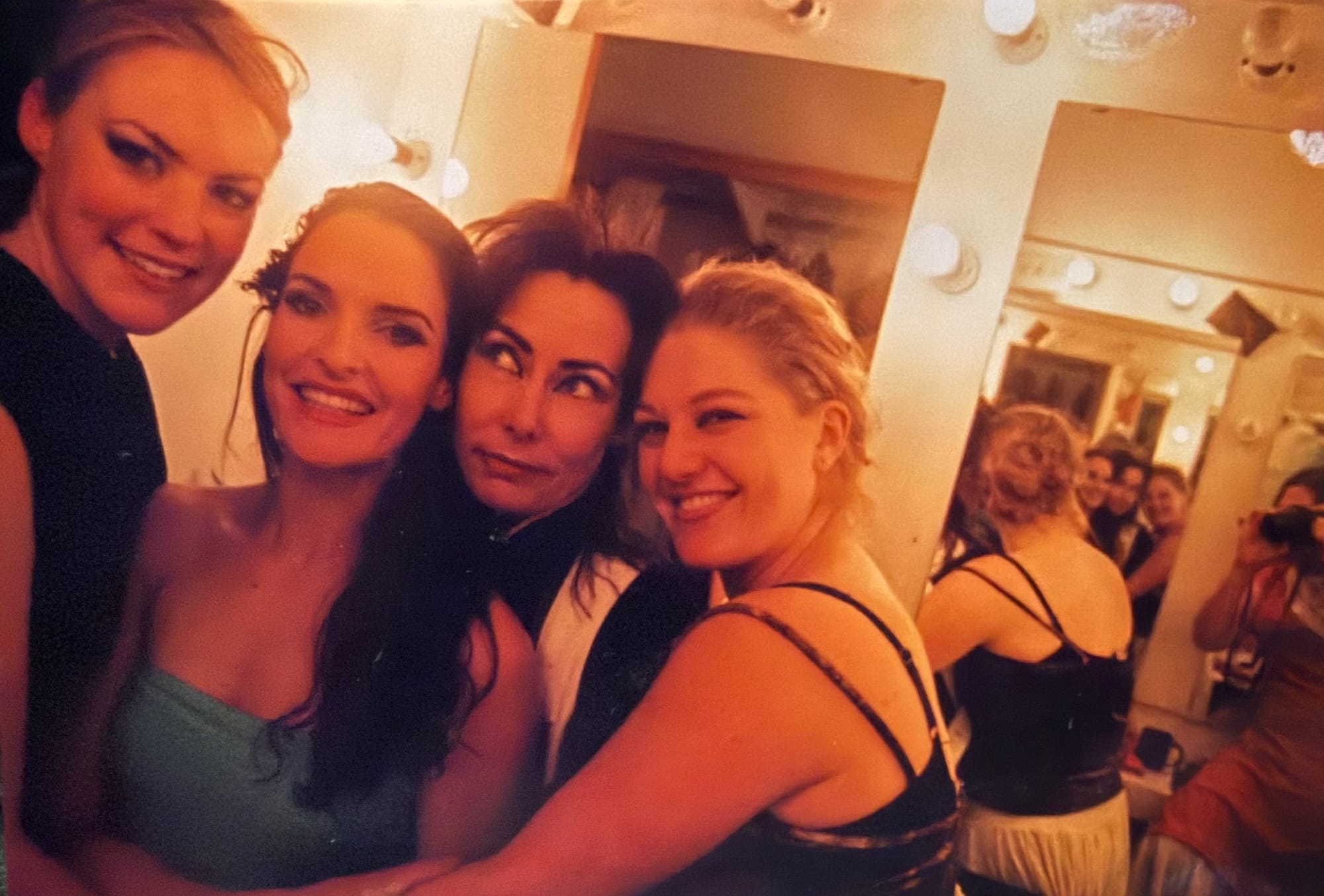
In 2026, a company, a business, or as it turns out, even a theatre may appear to be human and fair but they can also help build pointless trickles towards foul machine futures.
Likewise, I know a strong piece of critical writing can appear feisty and foul but I’ve written this to support the fair existence of our theatre as a human-led home; not only one of form, but of meaning.
In that home, the script lies at the centre. It doesn’t need a machine to market it, but a human. That script itself is from a colourful, brave, living place of play; a human imagination station; a solar system of possibilities. Our brains.